
Virtual Sensors vs Traditional Sensors: A Comparative Guide
JM
Introduction to Sensors
In the modern world, sensors play a pivotal role in gathering data and feeding it into various systems for analysis and decision-making. From weather monitoring to industrial automation, sensors are everywhere. But as technology evolves, the debate between virtual sensors and traditional sensors becomes more prominent. Understanding the differences and applications of each can help in choosing the right technology for your needs.
What are Traditional Sensors?
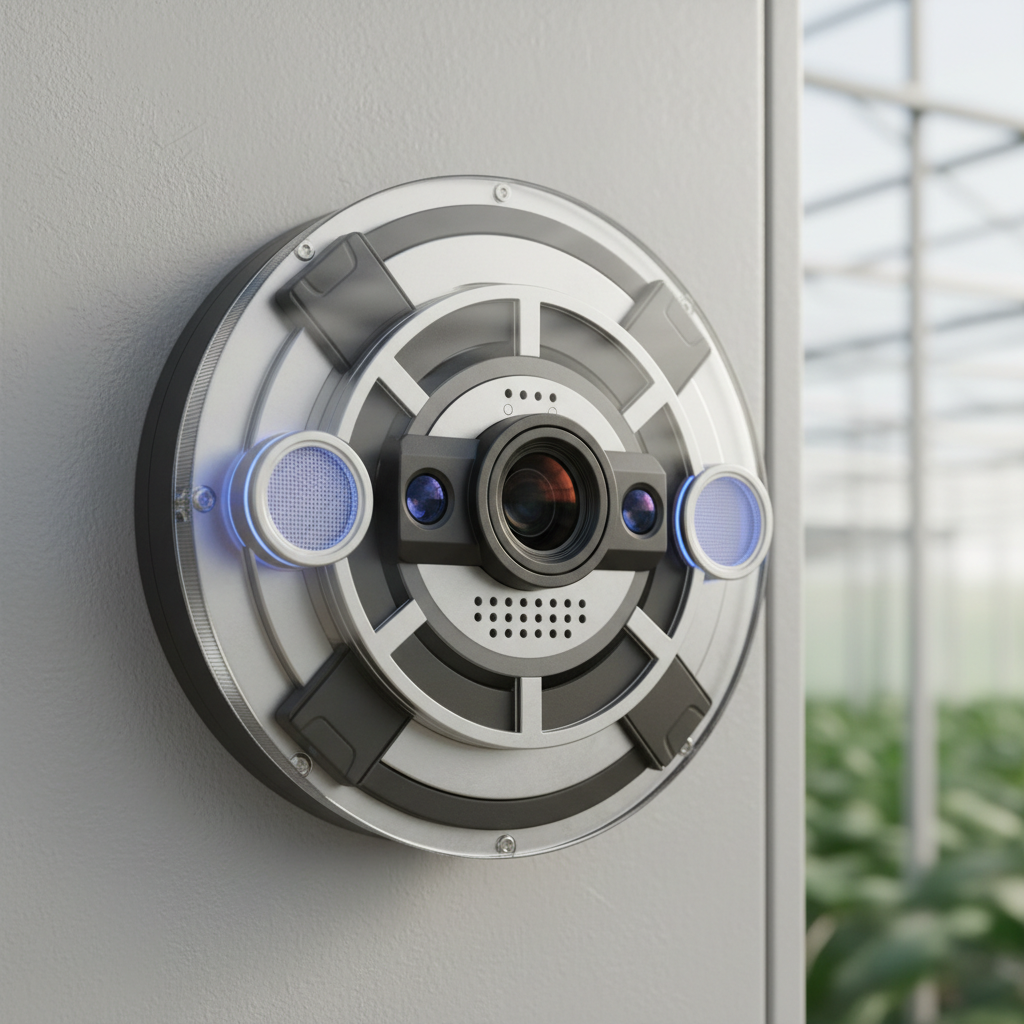
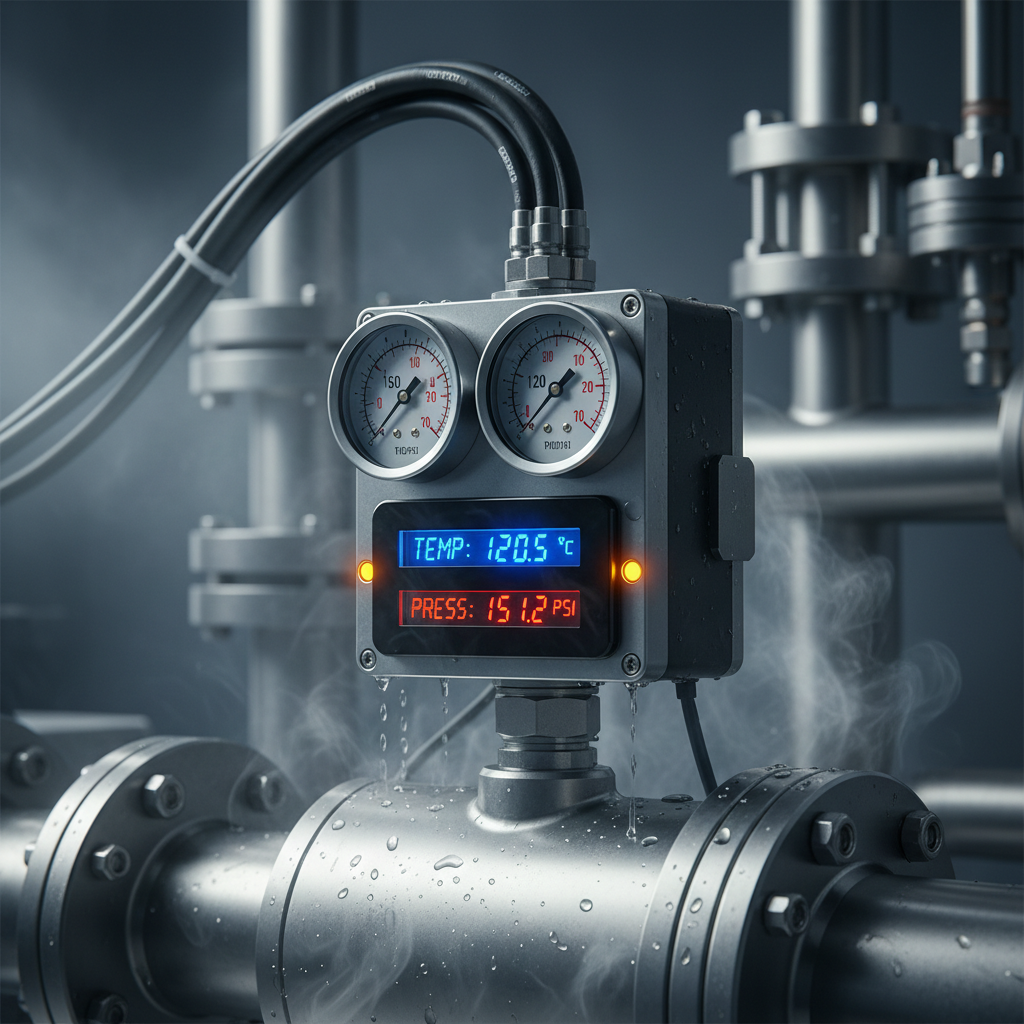
Traditional sensors are physical devices that detect and measure environmental conditions or changes. These sensors convert physical parameters like temperature, pressure, or motion into electrical signals for processing. They are widely used due to their reliability and direct measurement capabilities.
Types of Traditional Sensors
Some common types of traditional sensors include:
- Temperature Sensors: Used in HVAC systems and weather stations.
- Pressure Sensors: Essential in automotive and aerospace industries.
- Motion Sensors: Commonly found in security systems.
Understanding Virtual Sensors
Virtual sensors, on the other hand, do not physically exist. They are software-based models that use data from physical sensors and algorithms to estimate or predict parameters. Virtual sensors can reduce costs and enhance capabilities by utilizing existing data more efficiently.
Advantages of Virtual Sensors
Virtual sensors offer several benefits, such as:
- Cost Efficiency: Reducing the need for physical installations.
- Flexibility: Easily adaptable to different environments and parameters.
- Enhanced Data Utilization: Leveraging existing data for more insights.
Comparing Virtual and Traditional Sensors
When comparing virtual and traditional sensors, several factors come into play. Traditional sensors offer direct measurements, which can be essential in certain applications. However, they often require maintenance and can be costly to implement on a large scale.
Virtual sensors, while dependent on algorithms and existing data, provide a more flexible and cost-effective solution. They are particularly useful in environments where installing physical sensors is impractical or too expensive.
Applications and Use Cases
Both sensor types have unique applications. Traditional sensors are indispensable in environments requiring precise, real-time measurements, such as manufacturing and healthcare. Virtual sensors, meanwhile, find their niche in predictive maintenance and IoT applications, where they can enhance systems by providing additional insights without the need for extra hardware.
Conclusion
Choosing between virtual and traditional sensors depends largely on your specific needs and constraints. While traditional sensors offer direct and reliable measurements, virtual sensors provide flexibility and cost savings. Understanding these differences will guide you in making informed decisions in integrating sensor technology into your systems.