
Top Technology Innovations Transforming Heavy Machinery
JM
Automation and Robotics
The integration of automation and robotics in heavy machinery is revolutionizing the industry. Automated systems are now capable of performing tasks that were once labor-intensive and time-consuming. This leads to increased efficiency and reduced operational costs. From autonomous excavators to robotic welders, the possibilities are endless.

Robots are equipped with sensors and cameras that provide real-time data, enabling them to make precise movements and decisions. This technology not only enhances productivity but also ensures safety in hazardous environments.
Advantages of Automation
- Improved efficiency and productivity
- Reduced labor costs
- Enhanced safety and precision
Telematics and IoT
Telematics and the Internet of Things (IoT) are transforming how heavy machinery is monitored and maintained. By embedding sensors and connectivity, machines can now communicate their status and health in real time.
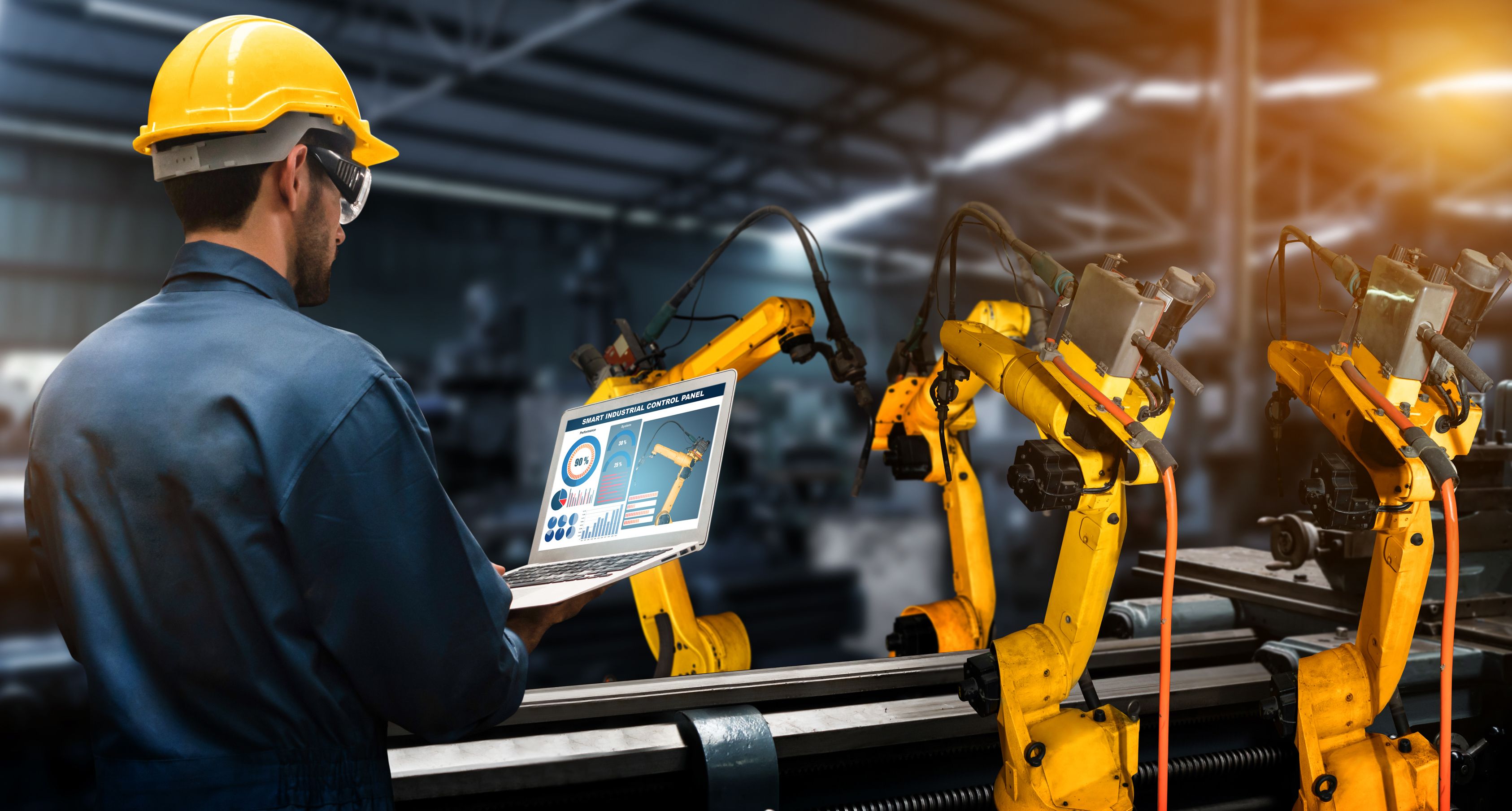
This data-driven approach allows operators to predict maintenance needs and prevent breakdowns. Real-time analytics help in optimizing performance and minimizing downtime, which is crucial in industries that rely heavily on machinery.
Key Benefits of Telematics
- Real-time monitoring and diagnostics
- Predictive maintenance
- Enhanced machine performance
3D Printing and Manufacturing
3D printing is making significant strides in the production and repair of heavy machinery parts. This technology allows for rapid prototyping and production of complex components that were previously difficult to manufacture.
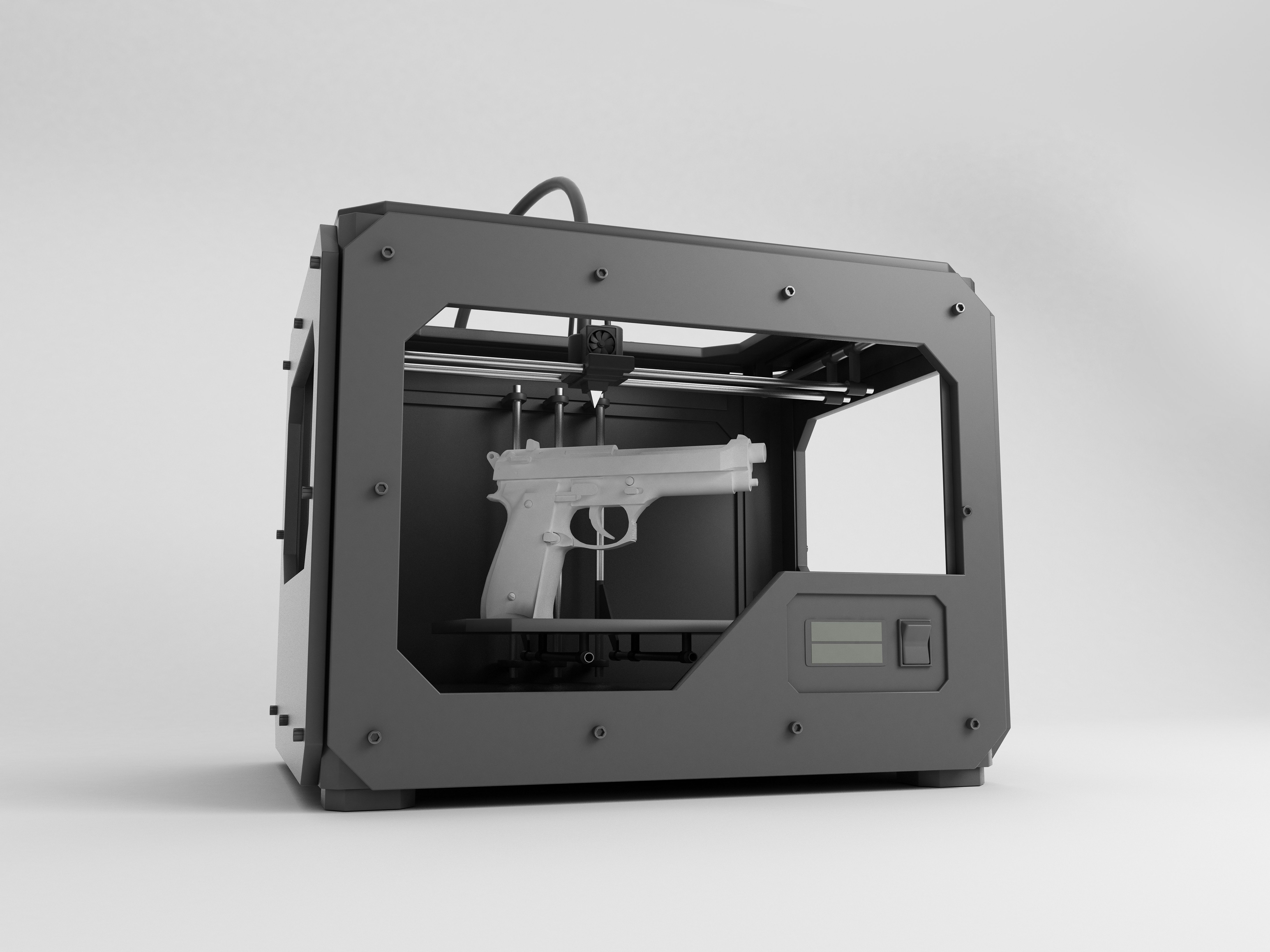
By utilizing 3D printing, companies can reduce lead times and costs associated with traditional manufacturing methods. Custom parts can be produced on-demand, leading to greater flexibility and innovation.
Impact of 3D Printing
- Faster production times
- Cost-effective manufacturing
- Increased customization options
Advanced Materials
Innovations in materials science are allowing heavy machinery to become more durable and efficient. The development of lightweight yet strong materials improves fuel efficiency and reduces wear and tear.
Advanced composites and alloys are being used to construct parts that withstand extreme conditions, enhancing the longevity and reliability of machinery.
Benefits of Advanced Materials
- Enhanced durability
- Improved fuel efficiency
- Reduced maintenance requirements