
The Role of Virtual Sensors in Forestry Equipment: A Comprehensive Guide
JM
Understanding Virtual Sensors in Forestry Equipment
Forestry is an industry that heavily relies on technology to increase efficiency and sustainability. One of the most groundbreaking advancements in recent years is the integration of virtual sensors into forestry equipment. These sensors play a crucial role in monitoring, data collection, and operational efficiency.
Virtual sensors are software-based instruments that estimate measurements based on data from existing physical sensors. They provide insights into parameters that are difficult to measure directly, enhancing the performance of forestry machinery.
The Importance of Data in Forestry
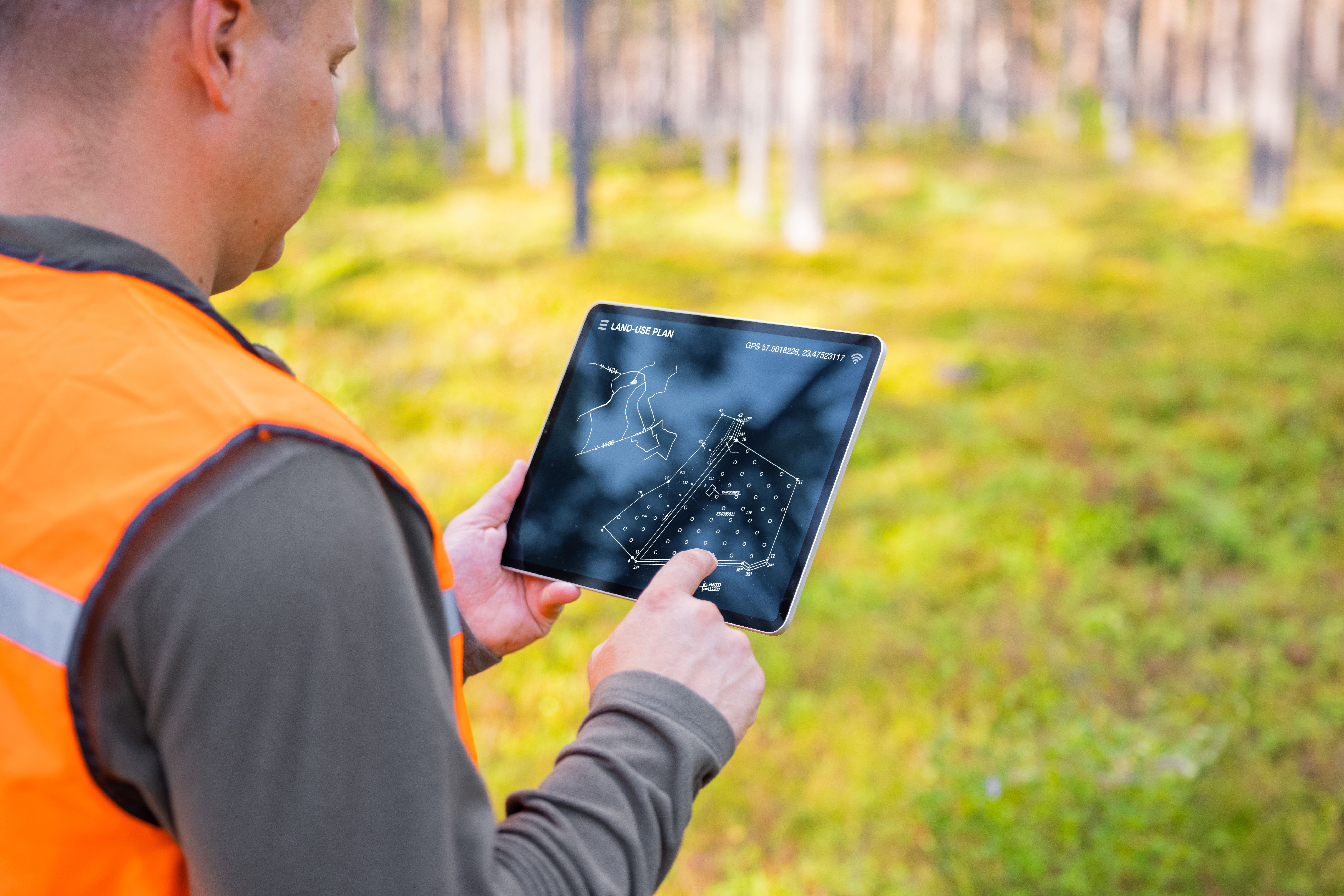
Data collection is at the heart of modern forestry operations. With virtual sensors, it is possible to gather detailed information about numerous environmental and mechanical factors. This data helps in making informed decisions that can improve productivity and reduce environmental impact.
Forestry equipment equipped with virtual sensors can monitor soil conditions, tree health, and machinery performance. This information supports sustainable practices by enabling precise interventions and reducing unnecessary resource use.

How Virtual Sensors Work
The technology behind virtual sensors involves complex algorithms that process data from various inputs. By analyzing this data, virtual sensors can simulate the readings of physical sensors, providing valuable insights without the need for additional hardware.
These sensors can be integrated into existing forestry machinery, enhancing their capabilities. For instance, they can estimate soil moisture levels by analyzing data from temperature and humidity sensors, allowing for more accurate irrigation planning.
Benefits of Using Virtual Sensors
Implementing virtual sensors in forestry equipment offers numerous benefits:
- Cost Efficiency: Reduces the need for additional physical sensors, lowering maintenance and installation costs.
- Improved Accuracy: Provides more accurate data by combining various data sources and advanced algorithms.
- Enhanced Decision Making: Offers insights that lead to better operational decisions and sustainable practices.
Challenges and Considerations
While virtual sensors offer many advantages, there are also challenges to consider. The accuracy of virtual sensors depends heavily on the quality of the data and the algorithms used. Poor data quality can lead to incorrect readings and potentially harmful decisions.
Another consideration is the integration of virtual sensors into existing systems. Ensuring compatibility and seamless operation requires careful planning and execution.
The Future of Virtual Sensors in Forestry
The future of virtual sensors in forestry looks promising, with continuous advancements in technology and data analytics. As algorithms become more sophisticated, the accuracy and reliability of virtual sensors will improve, providing even greater value.
Moreover, as more forestry companies recognize the benefits, the adoption rate of virtual sensors is expected to rise, leading to more efficient and sustainable forestry practices across the globe.

In conclusion, virtual sensors are transforming the forestry industry by enhancing the capabilities of equipment and providing valuable data insights. As technology continues to evolve, the role of virtual sensors will become even more integral to achieving sustainable and efficient forestry operations.