
The Role of R&D in Addressing Common Pain Points in Forestry Equipment
JM
Introduction
Forestry equipment is essential in managing and maintaining forested areas, ensuring sustainable practices and efficient operations. However, the industry faces several challenges that can hinder productivity and effectiveness. Research and Development (R&D) play a crucial role in addressing these common pain points, driving innovation and improving solutions for foresters worldwide.
Enhancing Equipment Durability
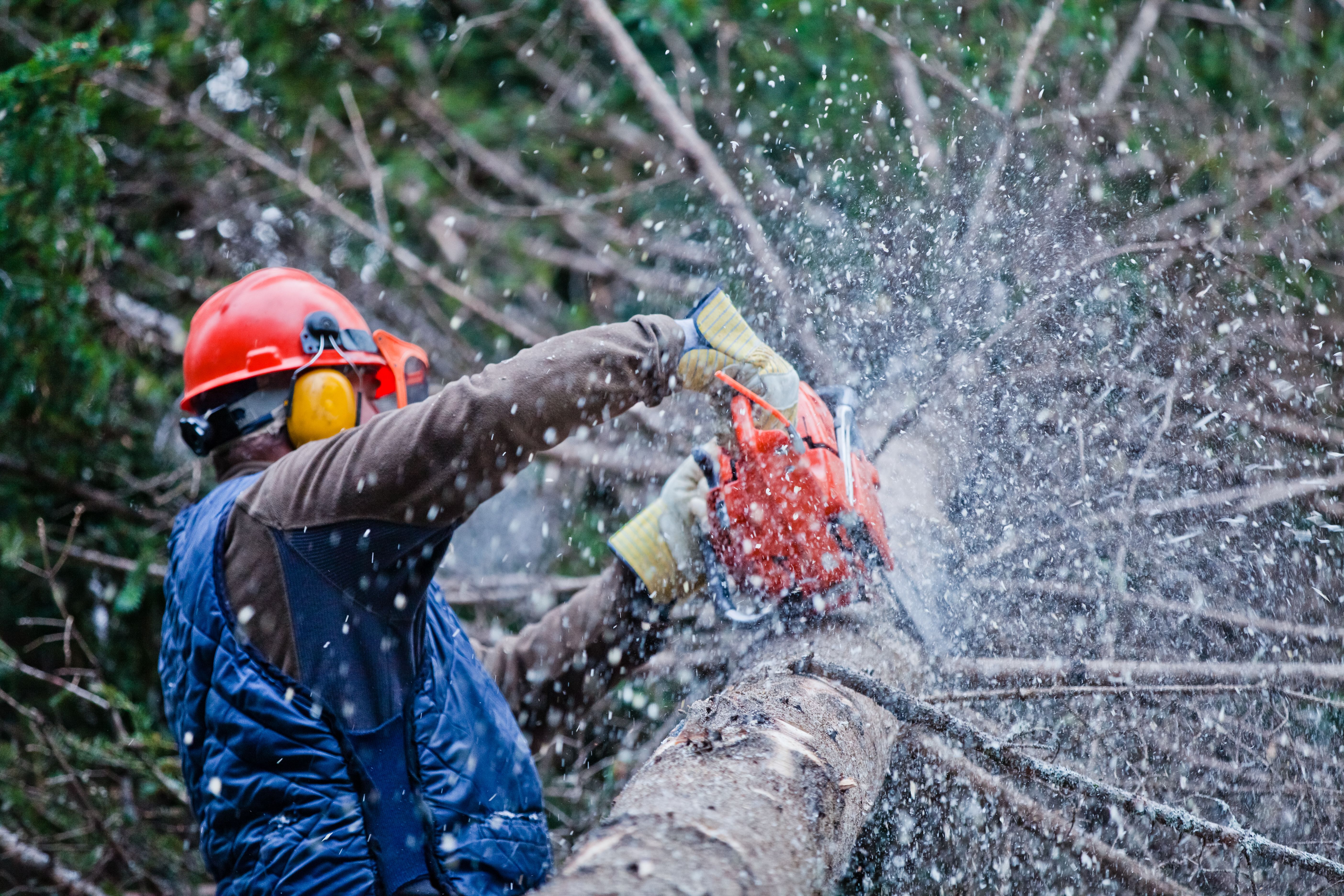
One of the primary concerns in forestry equipment is durability. The harsh environmental conditions and demanding tasks can lead to frequent wear and tear. R&D efforts focus on developing materials and designs that enhance the longevity of equipment. By integrating advanced materials like reinforced alloys and composites, manufacturers can produce machinery that withstands the rigors of forestry operations.
Innovative Design Solutions
R&D teams are also exploring innovative design solutions to improve equipment durability. This includes ergonomic designs that reduce operator fatigue and advanced sealing technologies to protect machinery from moisture and debris. These developments contribute to extended equipment life and reduced maintenance costs.
Improving Efficiency and Productivity
Efficiency is a critical factor in forestry operations, impacting both the cost and environmental footprint. R&D efforts are directed towards enhancing the efficiency of equipment through automation and smart technologies. Automated systems can optimize logging processes, reducing the time and resources required for each operation.

Smart Technologies
Integration of smart technologies, such as GPS and IoT, allows for real-time monitoring and data collection. This provides operators with valuable insights into equipment performance and forest conditions, enabling more informed decision-making. As a result, productivity is significantly improved, and resource utilization is optimized.
Addressing Environmental Concerns
Forestry equipment must also address environmental concerns by minimizing its impact on ecosystems. R&D initiatives are crucial in developing eco-friendly solutions that reduce emissions and fuel consumption. Innovations in electric and hybrid engines are paving the way for more sustainable forestry practices.
Eco-Friendly Innovations
Beyond engine improvements, R&D is focused on developing biodegradable lubricants and hydraulic fluids. These innovations help minimize pollution and soil contamination, aligning with global sustainability goals. As environmental regulations become more stringent, these advancements are becoming increasingly vital.

Enhancing Safety Features
Safety is a paramount concern in forestry operations due to the inherent risks involved. R&D plays a pivotal role in enhancing safety features, such as improved operator cabs, better visibility, and advanced emergency systems. These improvements help protect workers and reduce the likelihood of accidents.
Operator Assistance Systems
Modern forestry equipment now often includes operator assistance systems that warn of potential hazards and provide guidance during complex tasks. These systems, driven by R&D innovations, help operators maintain safety while increasing operational efficiency.
Conclusion
In conclusion, R&D is instrumental in addressing the common pain points in forestry equipment. Through advancements in durability, efficiency, environmental sustainability, and safety, the industry continues to evolve, offering better solutions for foresters worldwide. As technology progresses, ongoing R&D efforts will undoubtedly lead to even more innovative and effective forestry equipment.