
Preparing Your Fleet for Seasonal Changes with Smart Machine Optimization
JM
Understanding Seasonal Changes and Their Impact on Fleets
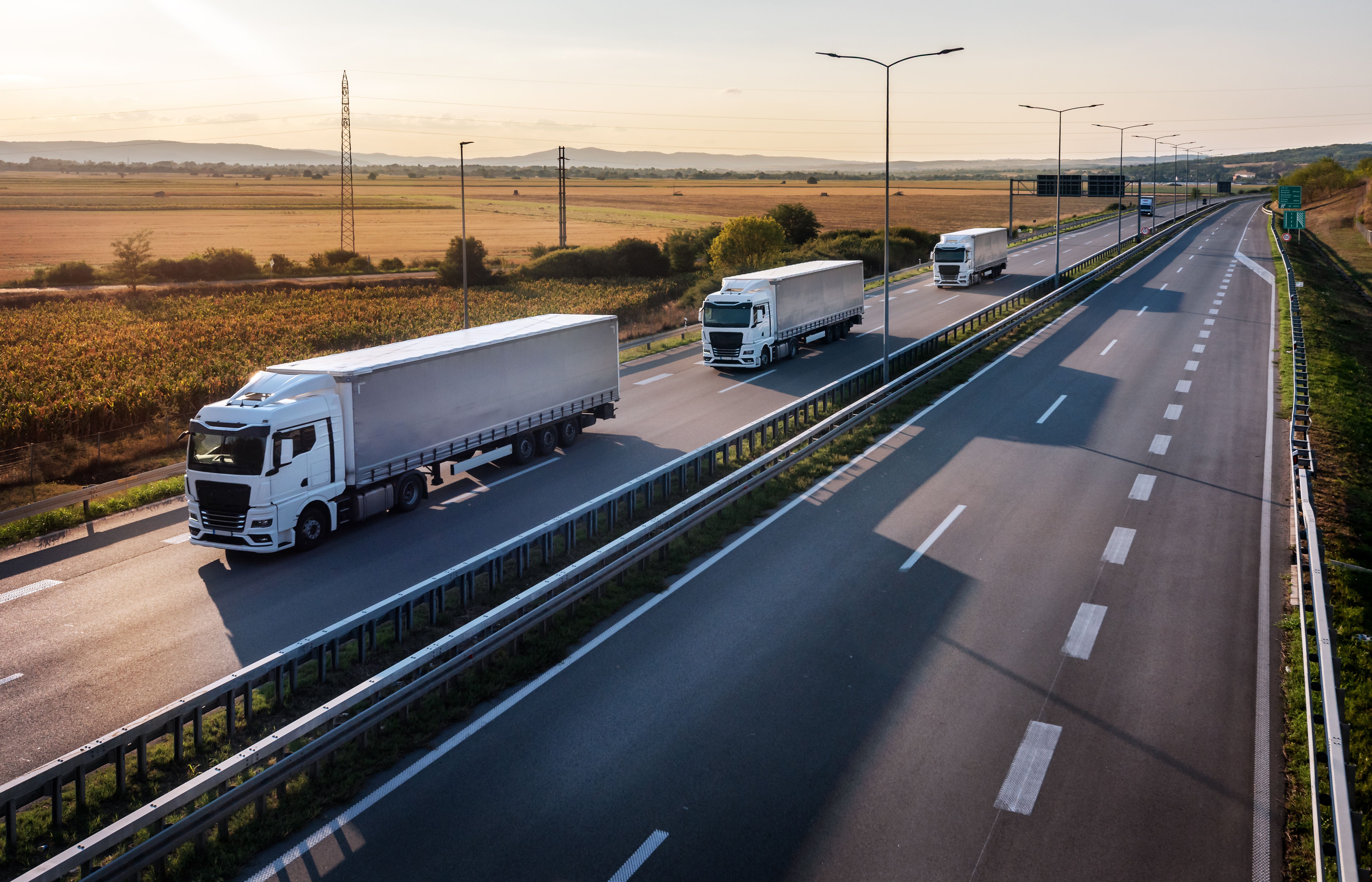
Seasonal changes can have a significant impact on fleet operations. From temperature fluctuations to varying road conditions, each season brings its own set of challenges. Preparing your fleet for these changes is crucial to maintaining efficiency and safety. Smart machine optimization can be a game-changer in this regard.
By adapting your fleet to the seasonal demands, you can improve performance, reduce costs, and ensure compliance with safety standards. This involves more than just simple maintenance—it requires a strategic approach to optimizing your fleet's capabilities.
Implementing Smart Machine Optimization
Smart machine optimization involves using technology to enhance your fleet's performance. This can include everything from advanced telematics systems to predictive analytics. These tools help you understand how your fleet operates under different conditions and make data-driven decisions.
By leveraging these technologies, you can optimize routes, monitor vehicle health, and anticipate potential issues before they become problems. This proactive approach reduces downtime and improves overall fleet efficiency.

The Role of Telematics
Telematics systems play a crucial role in smart machine optimization. They provide real-time data on vehicle location, speed, fuel consumption, and more. This information helps fleet managers make informed decisions about routing and maintenance.
With telematics, you can monitor driver behavior and vehicle performance, allowing for adjustments that enhance safety and reduce wear and tear. This not only improves efficiency but also extends the lifespan of your fleet.

Seasonal Maintenance Strategies
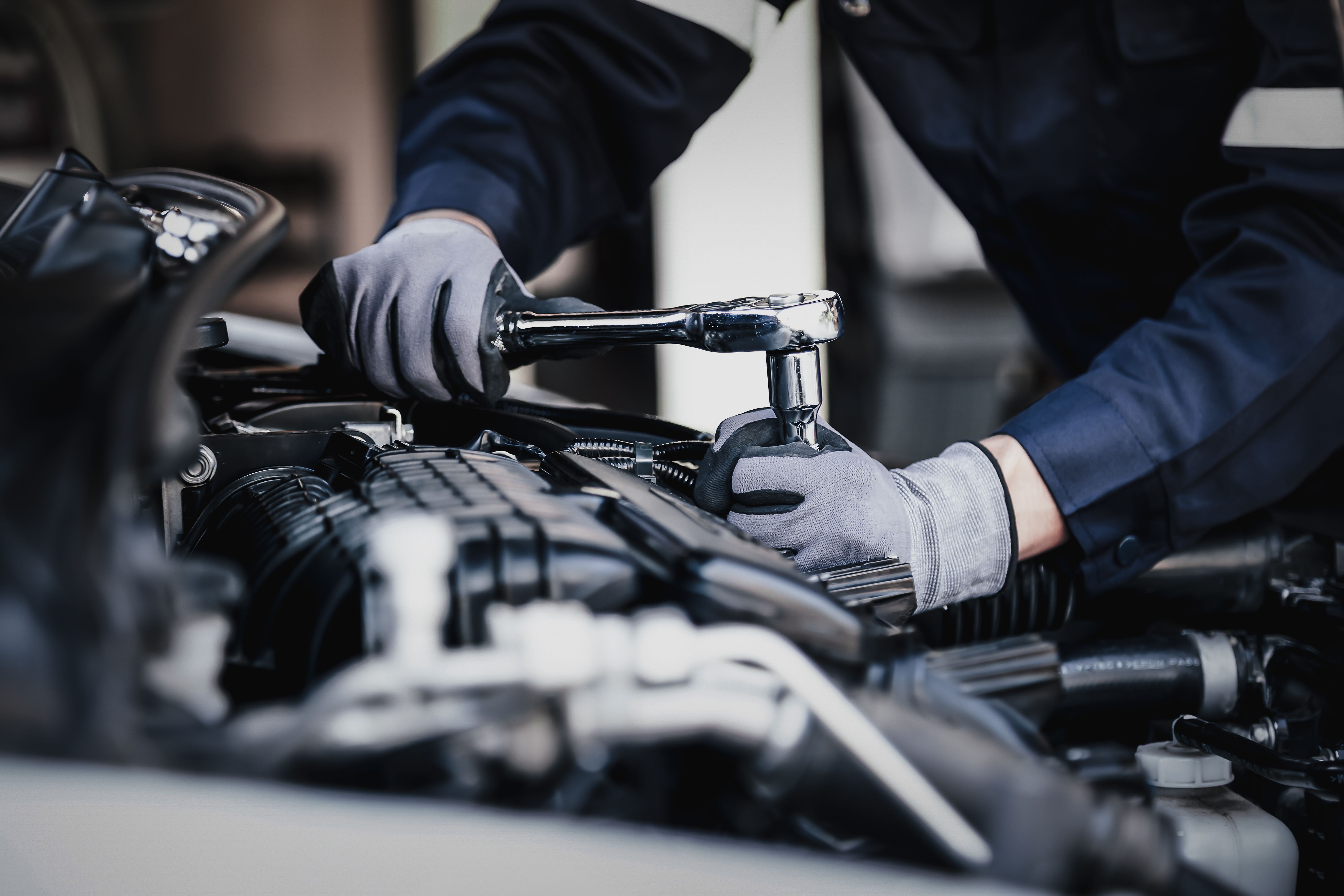
Regular maintenance is essential for keeping your fleet in top condition, especially during seasonal changes. Implementing a comprehensive maintenance schedule ensures that all vehicles are prepared for the unique challenges each season presents.
Consider the following maintenance strategies:
- Check and replace fluids, such as oil and coolant, to handle temperature extremes.
- Inspect tires for wear and ensure they are appropriate for the season.
- Test battery performance to prevent unexpected failures.
Adapting to Weather Conditions
Weather conditions can drastically affect fleet operations. Whether it's icy roads in winter or heavy rains in spring, adapting your fleet to these conditions is vital. Equip your vehicles with the right tires and ensure all safety features are functioning correctly.
Training drivers to handle different weather scenarios is also important. This can include defensive driving techniques and understanding how to use vehicle safety systems effectively.

Leveraging Data for Continuous Improvement
Data collected from your fleet can provide valuable insights into performance and areas for improvement. By analyzing this data, you can identify trends and make strategic decisions that enhance efficiency and reduce costs.
Continual monitoring and adjustment based on data insights allow you to adapt quickly to changing conditions, ensuring your fleet remains optimized throughout the year.

In conclusion, preparing your fleet for seasonal changes with smart machine optimization is a strategic approach that enhances efficiency, safety, and cost-effectiveness. By leveraging technology and data, you can ensure your fleet is ready for any challenge the seasons bring.