
How Virtual Sensors Revolutionize Heavy Machinery Operations
JM
Introduction to Virtual Sensors in Heavy Machinery
The integration of technology into heavy machinery has been a game-changer for the industry. Among the most impactful innovations are virtual sensors, which are steadily transforming how heavy machinery operates. These virtual sensors provide real-time data and insights, making operations more efficient and reducing the risk of mechanical failure.
Virtual sensors operate by using algorithms and software to simulate the data that would typically be gathered by physical sensors. They are especially useful in environments where installing physical sensors may be impractical or too costly.

Improving Efficiency and Performance
One of the primary benefits of virtual sensors is their ability to enhance the efficiency and performance of heavy machinery. By providing precise, real-time data, operators can make informed decisions quickly. This leads to optimized performance and reduced downtime.
With virtual sensors, machinery can be fine-tuned on the fly. For instance, they can monitor operational parameters such as temperature, pressure, and vibration, allowing for immediate adjustments to maintain optimal performance.

Reducing Maintenance Costs
Maintenance is a critical aspect of heavy machinery operations, and virtual sensors offer a significant advantage in this area. By predicting potential failures before they occur, these sensors help in scheduling proactive maintenance activities, thus avoiding costly repairs.
- Real-time monitoring helps in detecting anomalies early.
- Predictive analytics reduce unexpected breakdowns.
- Proactive maintenance scheduling minimizes repair costs.
Enhancing Safety Standards
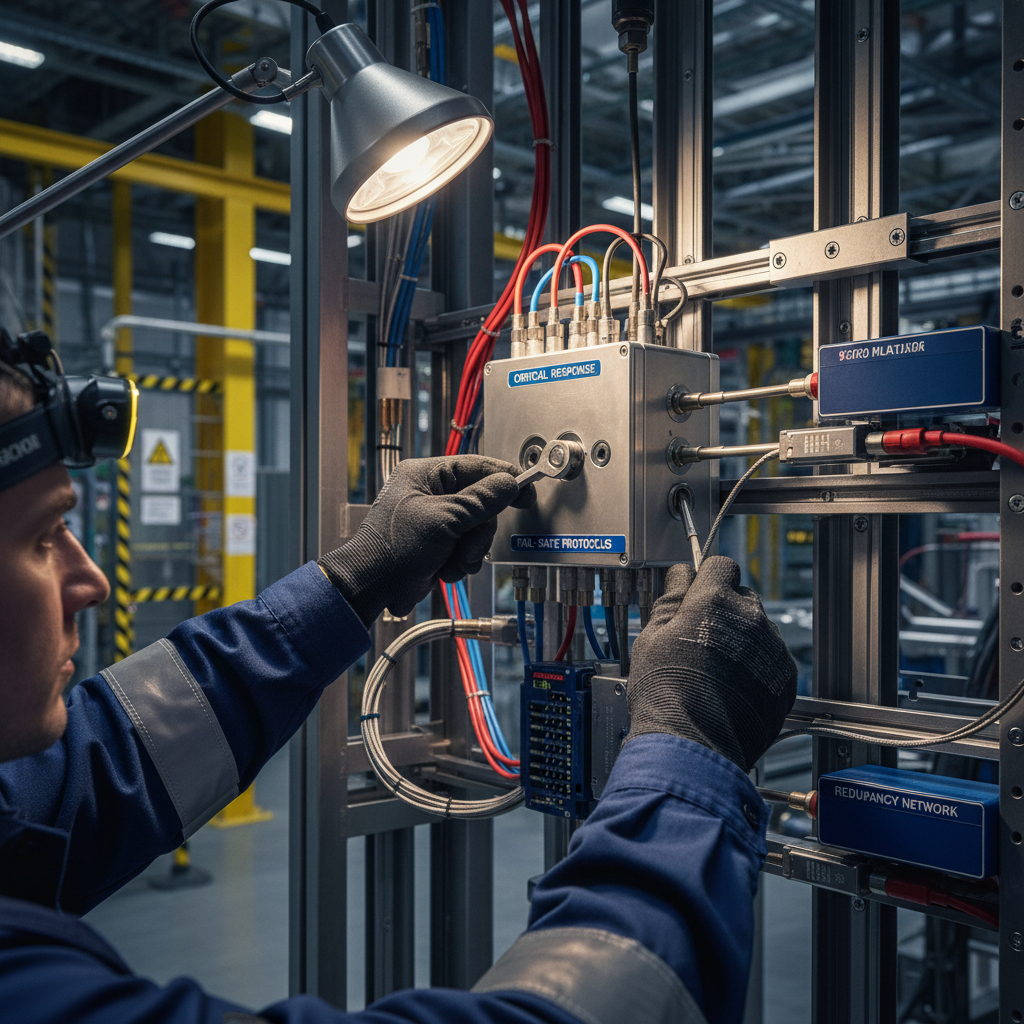
Safety is paramount in heavy machinery operations, and virtual sensors play a crucial role in enhancing safety standards. By continuously monitoring machinery conditions, they can detect hazardous situations and alert operators in real-time.
For example, virtual sensors can track the structural integrity of machines, ensuring that any signs of wear or stress are addressed promptly. This proactive approach significantly reduces the risk of accidents and protects both operators and equipment.
Facilitating Data-Driven Decision Making
The data collected by virtual sensors provides invaluable insights into the operational aspects of heavy machinery. This data-driven approach facilitates informed decision-making, enabling businesses to optimize their machinery usage and improve overall productivity.
Moreover, the integration of virtual sensors with advanced analytics tools allows for comprehensive data analysis, leading to more strategic planning and operational efficiency.
Conclusion
Virtual sensors are revolutionizing the heavy machinery industry by providing enhanced efficiency, safety, and cost-effectiveness. As technology continues to evolve, the role of virtual sensors will only become more vital, paving the way for smarter, more connected machinery operations.
Embracing virtual sensor technology is not just a trend; it is a strategic move towards a more sustainable and efficient future in heavy machinery operations.