
How Virtual Sensors Are Revolutionizing Construction Equipment
JM
Introduction to Virtual Sensors
In recent years, the construction industry has witnessed a technological transformation, largely driven by the integration of virtual sensors. These innovative tools have become a game-changer, enhancing the functionality and efficiency of construction equipment.
Virtual sensors are digital simulations that replicate the behavior of physical sensors. They collect data in real-time, providing vital insights without the need for physical hardware. This advancement is paving the way for smarter, more connected construction sites.

Enhanced Equipment Monitoring
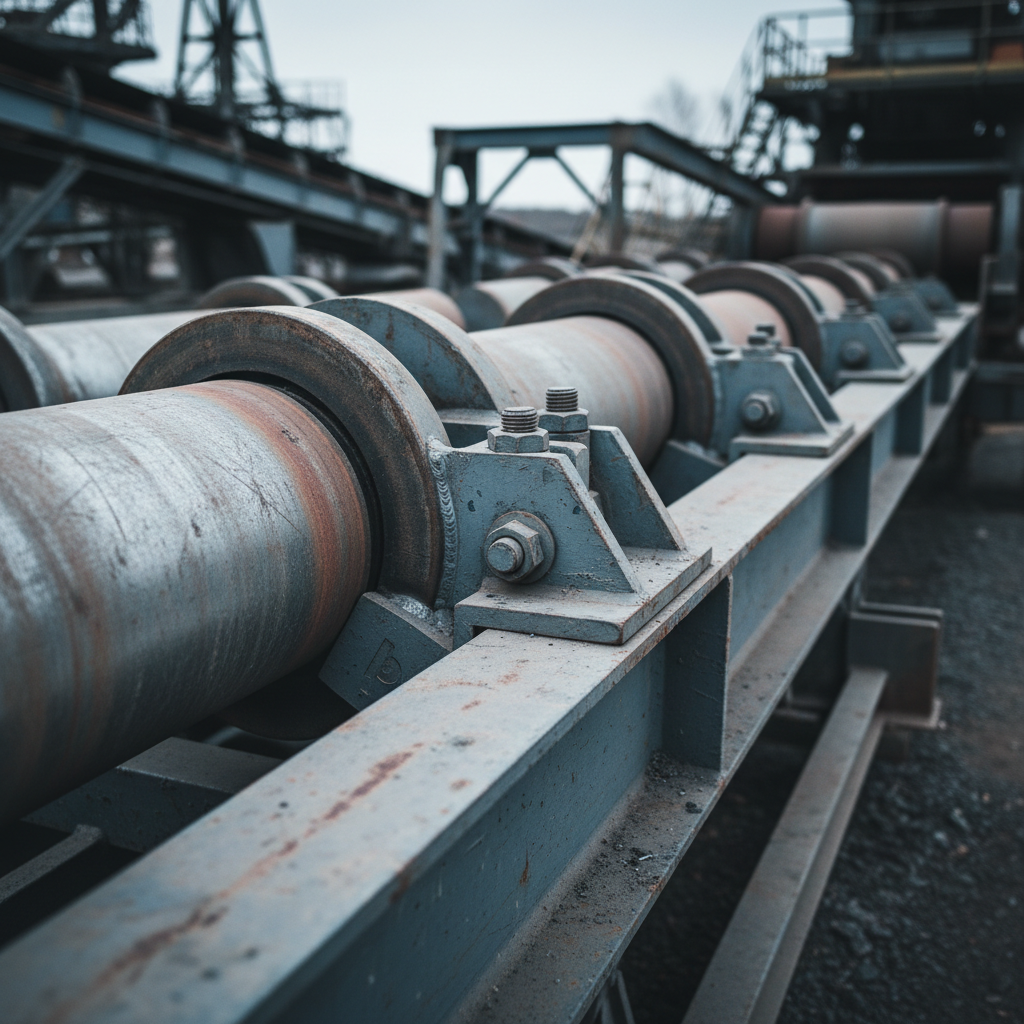
One of the primary benefits of virtual sensors is their ability to improve equipment monitoring. By providing real-time data on machinery performance, these sensors help in predicting maintenance needs and preventing unexpected breakdowns. This proactive approach not only reduces downtime but also extends the lifespan of the equipment.
Moreover, virtual sensors can track various parameters such as temperature, pressure, and vibration. This comprehensive monitoring ensures optimal performance and enhances overall safety on the construction site.
Predictive Maintenance
Predictive maintenance is a significant advantage offered by virtual sensors. By analyzing data trends, these sensors can predict potential failures before they occur. This allows for timely interventions, minimizing costs associated with emergency repairs.
Data-Driven Decision Making
Virtual sensors generate a wealth of data that can be leveraged for informed decision-making. Construction managers can analyze this data to optimize resource allocation, improve project timelines, and enhance operational efficiency.
The use of data analytics tools in conjunction with virtual sensors enables a deeper understanding of site conditions and equipment performance. This synergy leads to smarter strategies and better project outcomes.
Improved Safety Standards
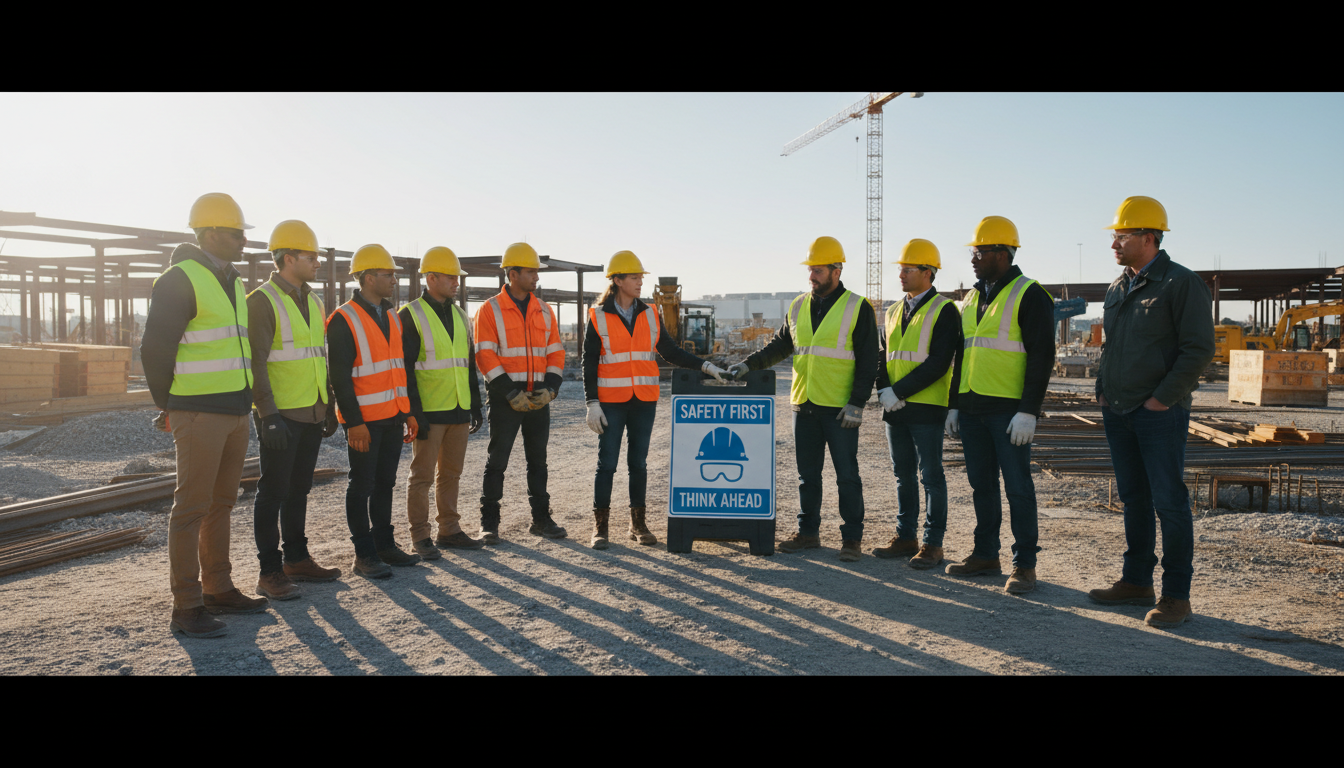
Safety is paramount in construction, and virtual sensors play a crucial role in elevating safety standards. By continuously monitoring environmental conditions and equipment status, these sensors can alert workers to potential hazards.
This real-time feedback allows for swift action, reducing the risk of accidents and ensuring a safer working environment for everyone involved.
Environmental Impact and Sustainability
Virtual sensors also contribute to sustainability efforts within the construction industry. By optimizing equipment usage and reducing unnecessary idling, these sensors help in lowering fuel consumption and emissions.
This environmentally friendly approach not only benefits the planet but also aligns with the growing demand for sustainable construction practices.
Future Prospects
The integration of virtual sensors is just the beginning. As technology continues to evolve, these sensors will become more sophisticated, offering even greater capabilities and insights.
The future holds exciting possibilities for virtual sensors in construction, promising to enhance productivity, safety, and sustainability across the industry.