How to Choose the Right Simulation Model for Your Heavy Machinery
JM
Understanding the Importance of Simulation Models
Simulation models are vital tools in the design, testing, and optimization of heavy machinery. They allow engineers to predict performance, identify potential issues, and improve designs without costly physical prototypes. Choosing the right model can significantly impact the efficiency and success of your projects.

Types of Simulation Models
There are several types of simulation models available, each suited to different tasks and objectives. Some common types include:
- Discrete Event Simulation: Ideal for systems where events occur at distinct points in time, such as production lines.
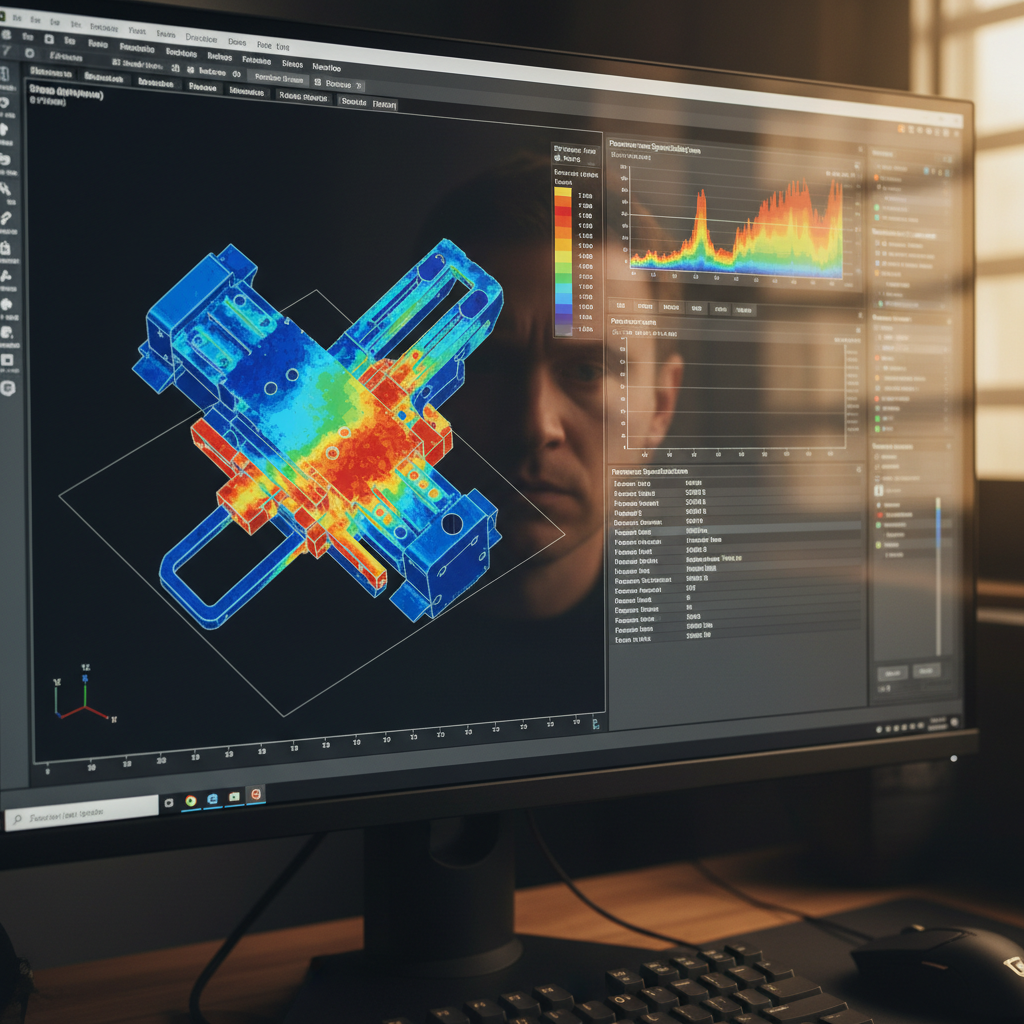
- Finite Element Analysis (FEA): Used to predict how machinery will react to physical forces, such as heat and vibration.
- Agent-Based Modeling: Suitable for complex systems with multiple interacting components, like logistics networks.
Assessing Your Needs
Before selecting a simulation model, assess your specific needs and objectives. Consider factors like the complexity of the machinery, the environment it operates in, and the specific parameters you need to analyze. A detailed understanding of your requirements will guide you to the most appropriate model.
Evaluating Software Options
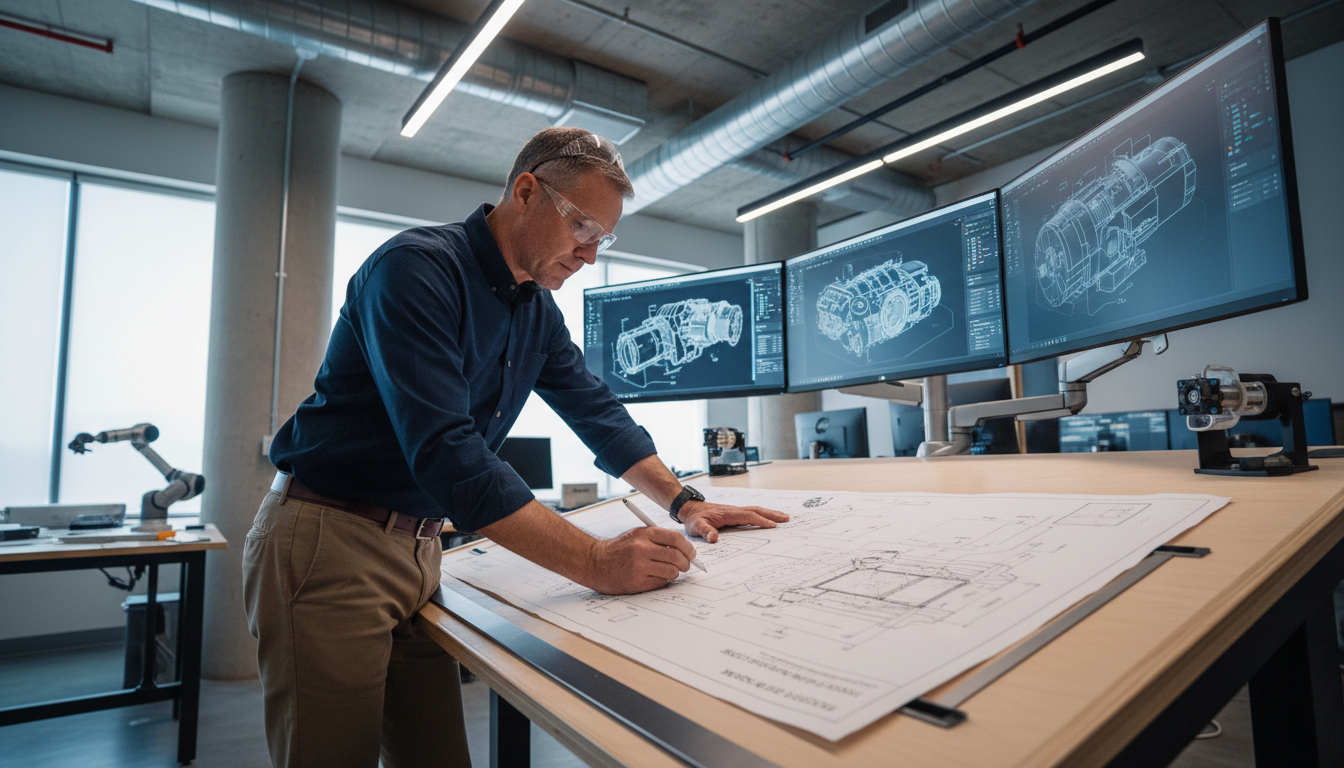
Once you've identified the type of simulation model you need, explore different software options. Consider user-friendliness, available features, and compatibility with your existing systems. It's also wise to look at customer reviews and case studies to gauge the software's effectiveness in real-world applications.
Considering Cost and Resources
The cost of simulation software can vary widely. Consider not only the upfront cost but also any ongoing fees for updates or support. Additionally, evaluate the resources needed for training and implementation. Investing in quality software and training can lead to significant long-term benefits.
Testing and Validation
Before fully committing to a simulation model, conduct thorough testing and validation. Use historical data to compare the simulation's predictions with actual outcomes. This process helps ensure the model's accuracy and reliability, giving you confidence in its insights.
Leveraging Expert Consultation
If you're uncertain about which model to choose, consider consulting with experts in the field. They can provide valuable insights and recommendations based on your specific needs and industry trends. Expert advice can be especially beneficial for complex projects where precision is critical.
Making the Final Decision
After considering all factors, make an informed decision about which simulation model to implement. Ensure that it aligns with your project goals and budget constraints. The right choice will enhance your ability to innovate and optimize your heavy machinery effectively.