
How Digital Transformation is Revolutionizing the Machinery Sector
JM
Introduction to Digital Transformation in the Machinery Sector
The machinery sector, traditionally rooted in heavy industry and manual processes, is undergoing a significant evolution through digital transformation. This shift is not only enhancing operational efficiency but also opening new avenues for innovation. From predictive maintenance to automated production lines, digital technologies are reshaping the landscape of machinery manufacturing and operations.
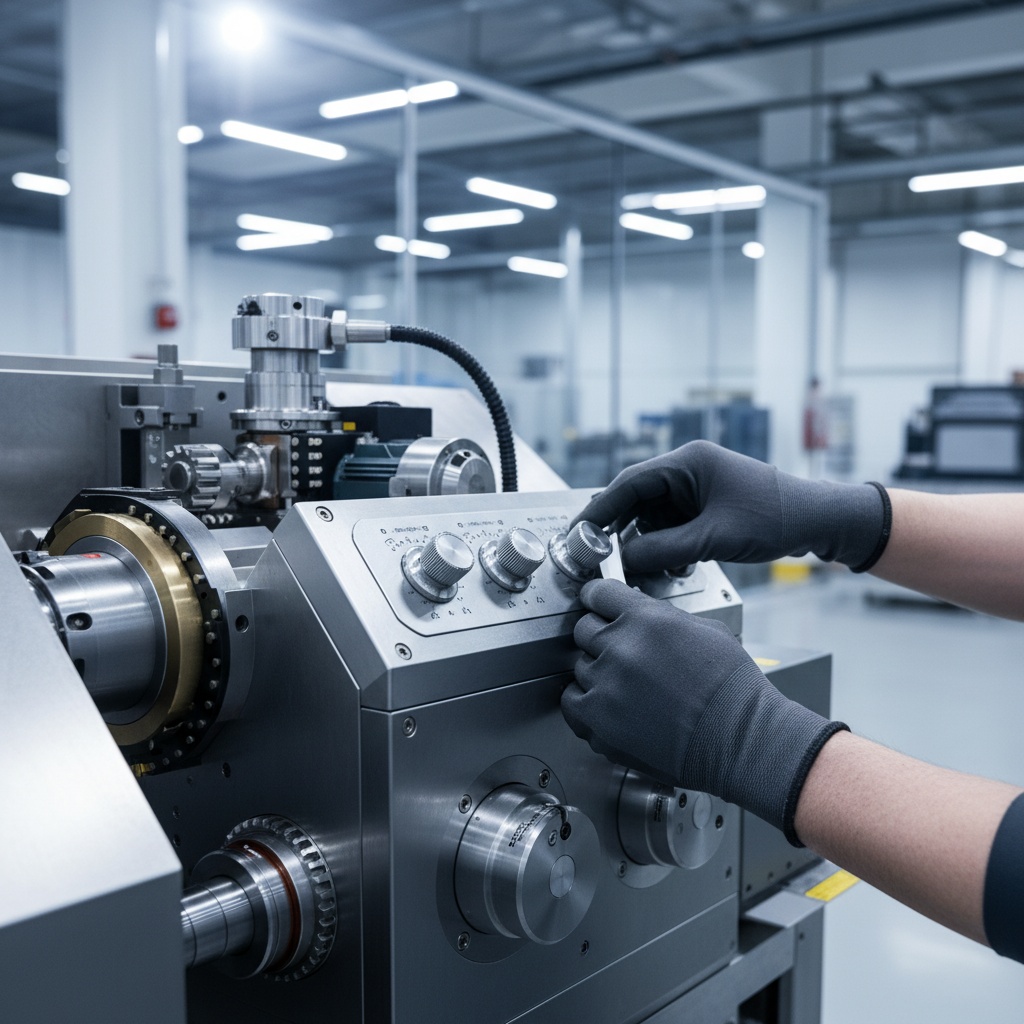
The Role of IoT in Machinery
The Internet of Things (IoT) is playing a pivotal role in the digital transformation of the machinery sector. IoT devices enable real-time monitoring and data collection, providing valuable insights into machine performance and health. This data-driven approach allows companies to optimize maintenance schedules, reduce downtime, and improve overall efficiency.
With IoT integration, machinery can now communicate directly with operators and maintenance teams, alerting them to potential issues before they become critical. This proactive approach not only saves costs but also extends the lifespan of the equipment.
Artificial Intelligence: Enhancing Decision-Making
Artificial Intelligence (AI) is another key component driving change in the sector. By analyzing vast amounts of data, AI systems can identify patterns and trends that may not be apparent to human observers. This capability is particularly valuable in predictive maintenance, where AI can forecast equipment failures before they occur, allowing for timely interventions.
Furthermore, AI-powered analytics help manufacturers optimize production processes, improve quality control, and enhance supply chain management. By leveraging AI, companies can make informed decisions that lead to cost savings and increased productivity.

Automation and Robotics
Automation and robotics have become integral to modern machinery manufacturing. By automating repetitive tasks, companies can achieve higher precision and efficiency while reducing human error. Robotics also enable manufacturers to scale operations quickly in response to changing market demands.
Moreover, collaborative robots, or cobots, are transforming the workforce dynamic. These robots work alongside human operators, enhancing productivity without replacing jobs. This collaborative approach ensures that human expertise is complemented by robotic precision.
Challenges and Opportunities
While digital transformation offers numerous benefits, it also presents challenges. Companies must invest in new technologies and train their workforce to harness these tools effectively. Cybersecurity is another critical concern, as increased connectivity can expose machinery to potential threats.
Despite these challenges, the opportunities are vast. Businesses that embrace digital transformation can achieve a competitive edge, drive innovation, and meet the evolving needs of their customers.

Conclusion
The digital transformation of the machinery sector is a revolutionary change that brings both challenges and opportunities. By embracing technologies like IoT, AI, and robotics, companies can enhance their operational efficiency, reduce costs, and drive innovation. As the sector continues to evolve, those who adopt these digital tools will be well-positioned to lead in a rapidly changing market.