
How Advanced Simulation Modeling is Revolutionizing Industrial Equipment Research
JM
Introduction to Advanced Simulation Modeling
In recent years, advanced simulation modeling has become a cornerstone in the field of industrial equipment research. By creating digital twins of machinery and equipment, researchers can predict behaviors, test scenarios, and optimize performance without the need for physical prototypes. This not only saves time and resources but also paves the way for innovations in design and functionality.
Simulation modeling allows engineers to experiment with different configurations and materials, providing a deeper understanding of how equipment will perform under various conditions. This technology is now integral to the development process, offering a competitive edge in a rapidly evolving industry.
The Role of Simulation in Equipment Design
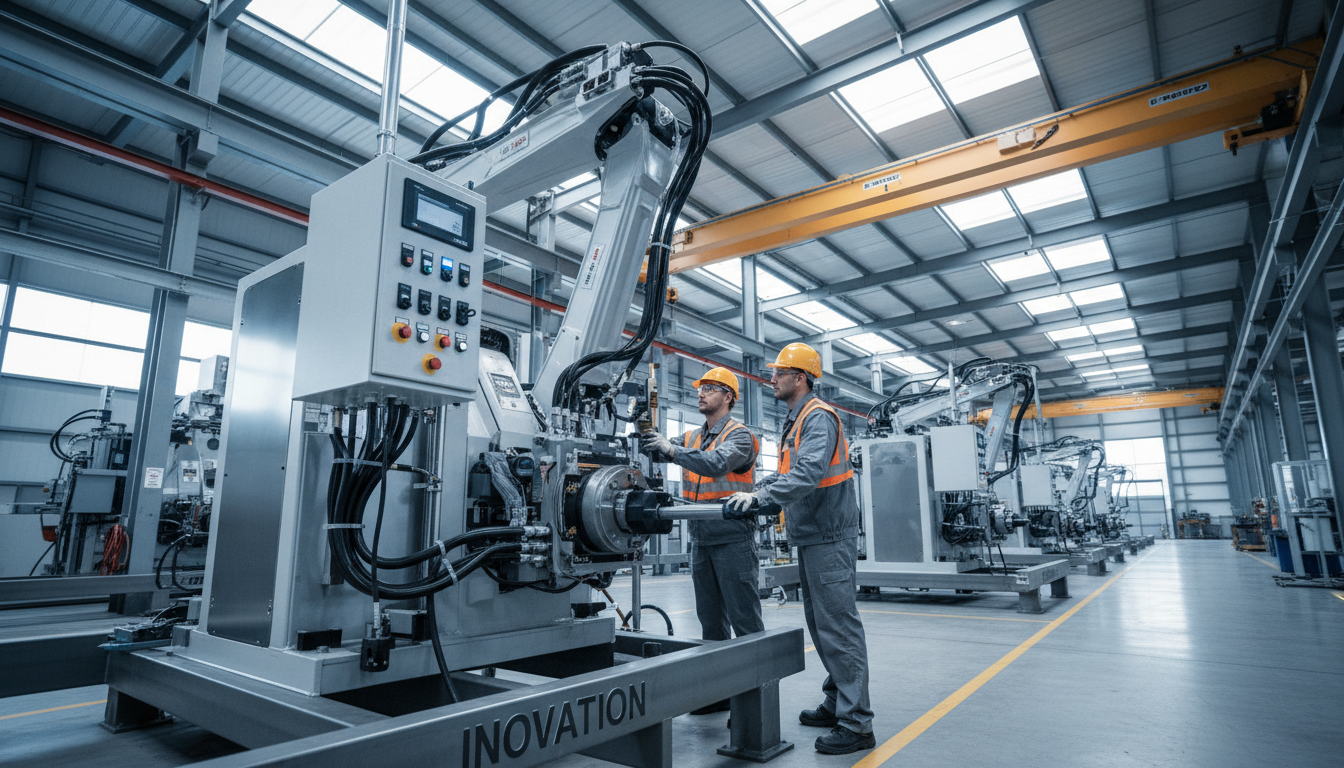
One of the primary applications of simulation modeling is in the design phase of industrial equipment. By utilizing advanced computational models, designers can visualize the effects of stress, heat, and other physical forces on their designs. This enables them to make informed decisions about materials and structural integrity before building a single prototype.
Furthermore, simulation models can identify potential design flaws early in the process. This proactive approach reduces the risk of costly redesigns and accelerates the time-to-market for new products.
Enhancing Performance and Efficiency
Beyond design, simulation modeling plays a crucial role in optimizing the performance and efficiency of industrial equipment. By simulating real-world operating conditions, researchers can identify areas where improvements can be made, such as reducing energy consumption or minimizing wear and tear.
Testing and Validation
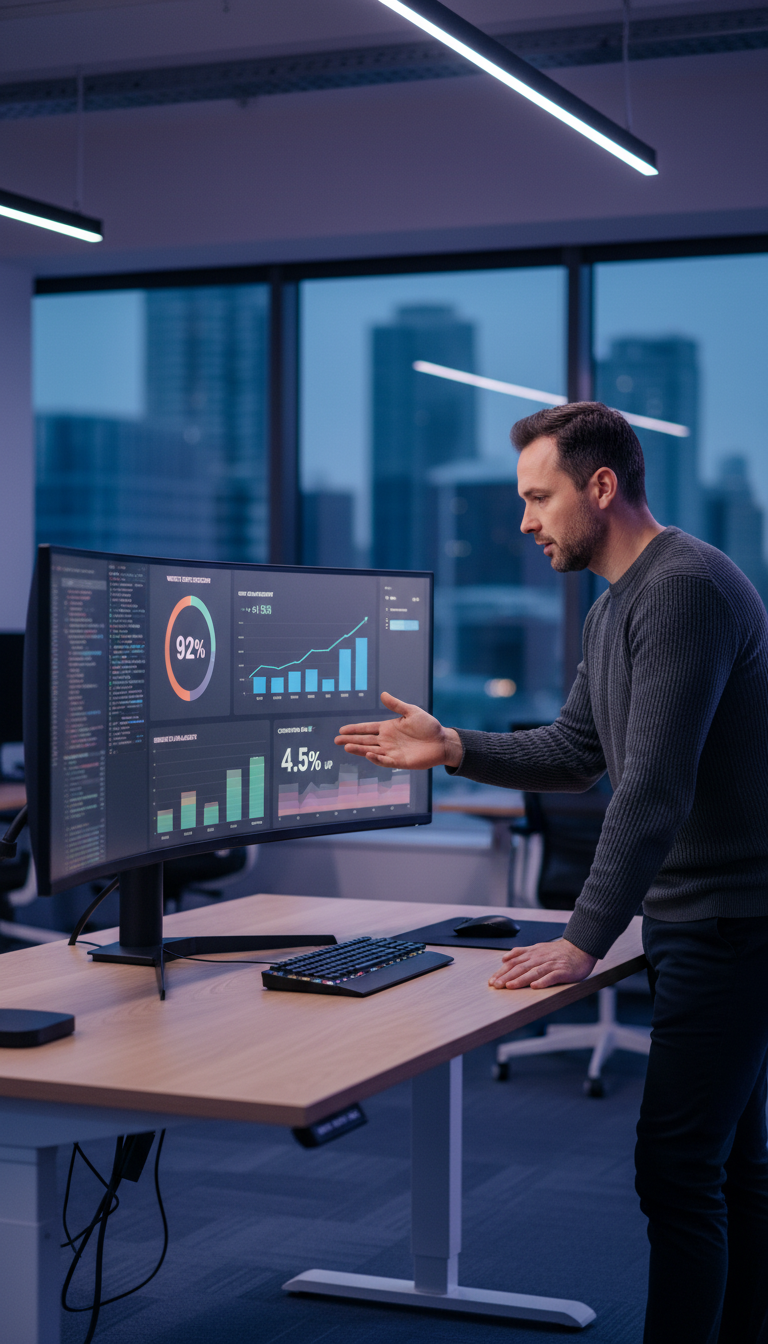
Advanced simulation modeling is also invaluable for testing and validation. In traditional settings, testing equipment could be both time-consuming and expensive. However, with digital simulations, multiple scenarios can be tested quickly and efficiently, providing critical data that informs the overall design and engineering process.
This not only ensures that the equipment meets industry standards but also enhances safety and reliability, essential factors in industrial applications.
Predictive Maintenance and Lifecycle Management
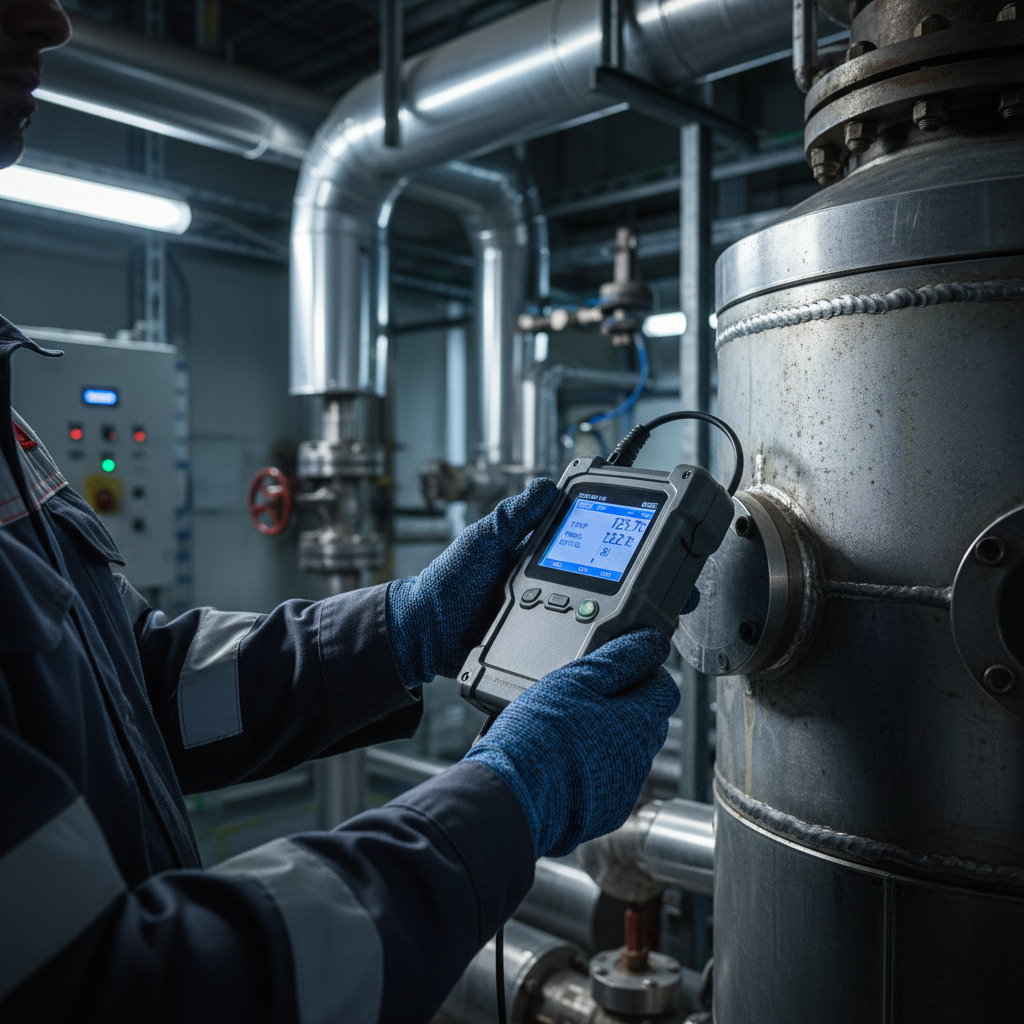
Simulation modeling extends beyond the initial design and testing phases. It is increasingly used for predictive maintenance and lifecycle management. By analyzing data from simulations, companies can predict when equipment is likely to fail and schedule maintenance accordingly. This proactive approach reduces downtime and extends the lifespan of the equipment.
The Future of Industrial Equipment Research
The integration of advanced simulation modeling in industrial equipment research is just the beginning. With the advent of artificial intelligence and machine learning, simulations are becoming even more sophisticated, enabling researchers to explore more complex scenarios and gain deeper insights.
This technology is set to revolutionize the industry, driving innovations that were once thought impossible. As simulation models become more advanced, the potential for groundbreaking discoveries in industrial equipment research is limitless.
Conclusion
Advanced simulation modeling is not merely a tool but a transformative force in industrial equipment research. Its ability to streamline design, enhance performance, and ensure reliability makes it indispensable in today’s competitive landscape. As technology continues to evolve, its impact will undoubtedly grow, ushering in a new era of innovation and efficiency.