
Harnessing Advanced Simulation Modeling for Heavy Machinery Optimization
JM
In the rapidly evolving world of heavy machinery, the need for optimization has never been more critical. As industries seek to enhance efficiency and reduce costs, advanced simulation modeling emerges as a powerful tool. This technique allows manufacturers and operators to predict, analyze, and improve machinery performance, ensuring that equipment operates at peak efficiency.
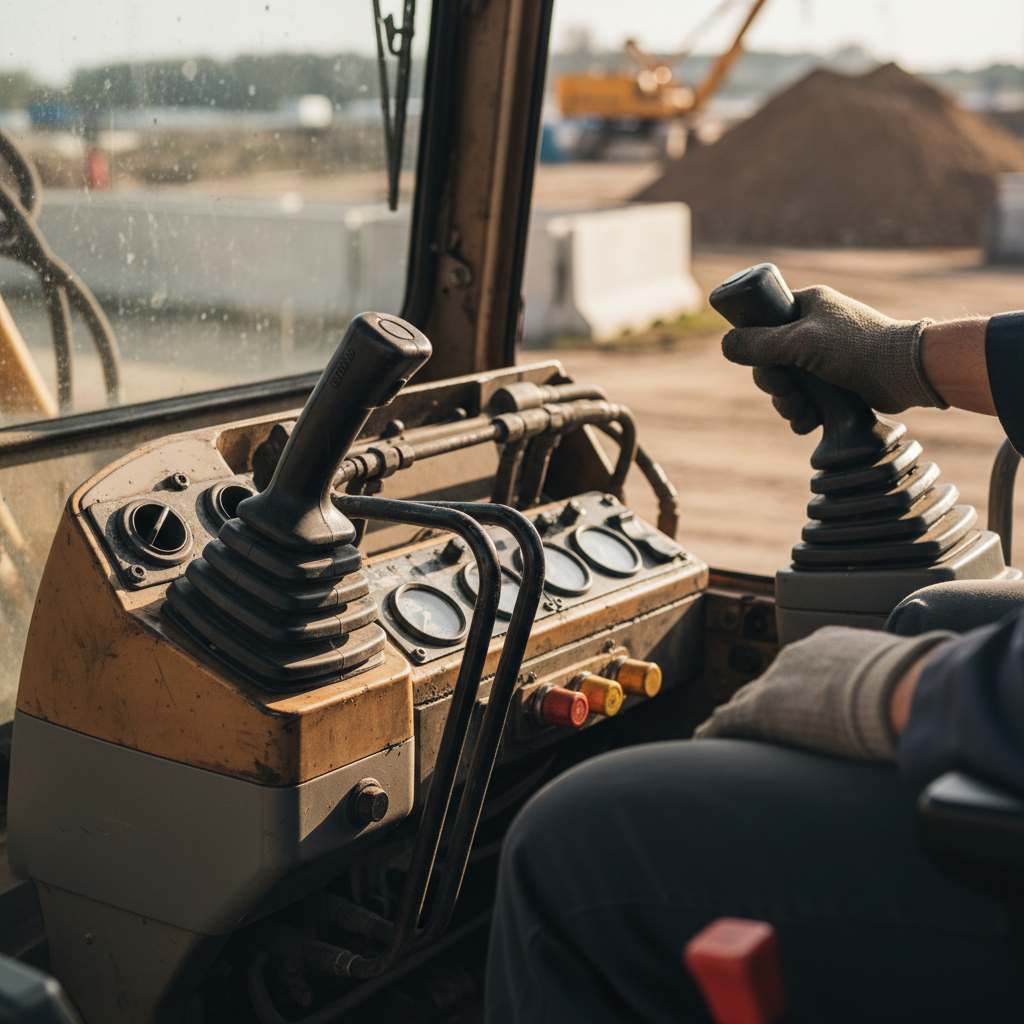
Understanding Advanced Simulation Modeling
Advanced simulation modeling involves creating digital twins of heavy machinery. These virtual replicas simulate real-world operations, providing insights into how machines will perform under various conditions. By leveraging these models, companies can anticipate potential issues, test solutions, and make informed decisions before implementing changes in the physical world.
This approach is not merely a speculative exercise. It enables engineers to visualize complex processes, optimize component designs, and even simulate entire production lines. The result is a significant reduction in trial-and-error phases, saving both time and resources.
Benefits of Simulation Modeling
The advantages of utilizing simulation modeling for heavy machinery are numerous:
- Cost Efficiency: By predicting failures and optimizing processes, companies can reduce maintenance costs and downtime.
- Enhanced Performance: Simulation helps in fine-tuning machinery for better productivity and efficiency.
- Safety Improvements: Testing different scenarios in a virtual environment allows for better risk assessment and safety protocol development.
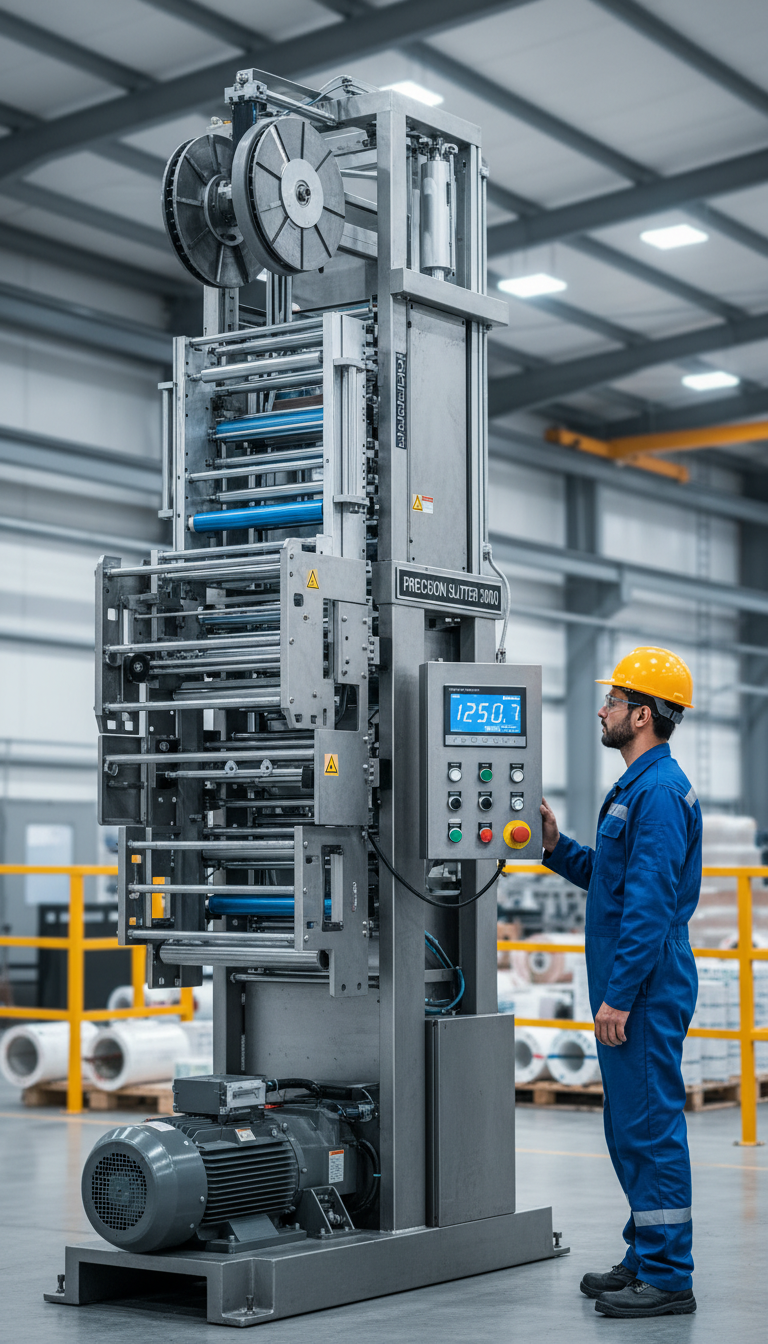
Applications in Various Industries
Simulation modeling isn't limited to a single industry. Its applications span across construction, agriculture, mining, and more. In construction, for example, it can optimize the use of cranes and excavators, ensuring they perform their tasks with precision. In agriculture, simulations can enhance the efficiency of planting and harvesting equipment.
Mining companies utilize simulation to plan operations and manage equipment fleets, minimizing wear and tear while maximizing output. This cross-industry versatility makes simulation modeling an indispensable tool for any sector relying on heavy machinery.
Future Trends and Developments
As technology continues to advance, so too will the capabilities of simulation modeling. Integration with artificial intelligence will allow for more sophisticated models that learn and adapt over time. These intelligent systems can provide real-time insights, further enhancing machinery optimization and decision-making processes.
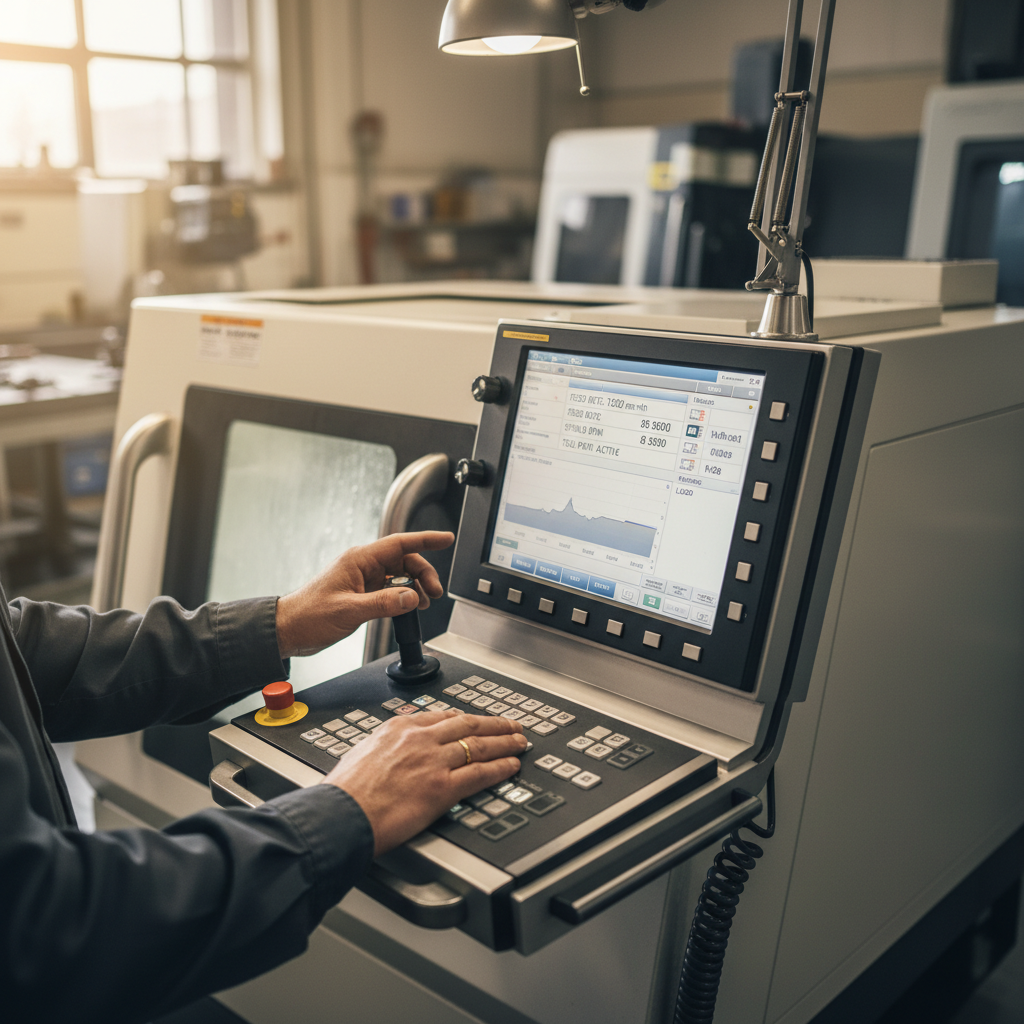
Moreover, the rise of the Internet of Things (IoT) is set to revolutionize simulation modeling. IoT-enabled devices can feed real-time data into simulations, creating even more accurate and dynamic models. This synergy between IoT and simulation is poised to redefine machinery optimization, offering unprecedented levels of precision and control.
Conclusion
Harnessing advanced simulation modeling for heavy machinery optimization represents a significant step forward for industries worldwide. By embracing this technology, companies can achieve enhanced performance, cost savings, and improved safety. As the technology evolves, its impact on the machinery sector will only grow, paving the way for smarter, more efficient industrial operations.