
Enhancing Efficiency in Heavy Industries with Advanced R&D
JM
Introduction to Efficiency in Heavy Industries
In the rapidly evolving landscape of heavy industries, enhancing efficiency has become a critical focus. With the global demand for resources and products increasing, industries must adopt strategies that maximize output while minimizing waste. Advanced research and development (R&D) play a pivotal role in achieving these objectives.
The Role of Advanced R&D
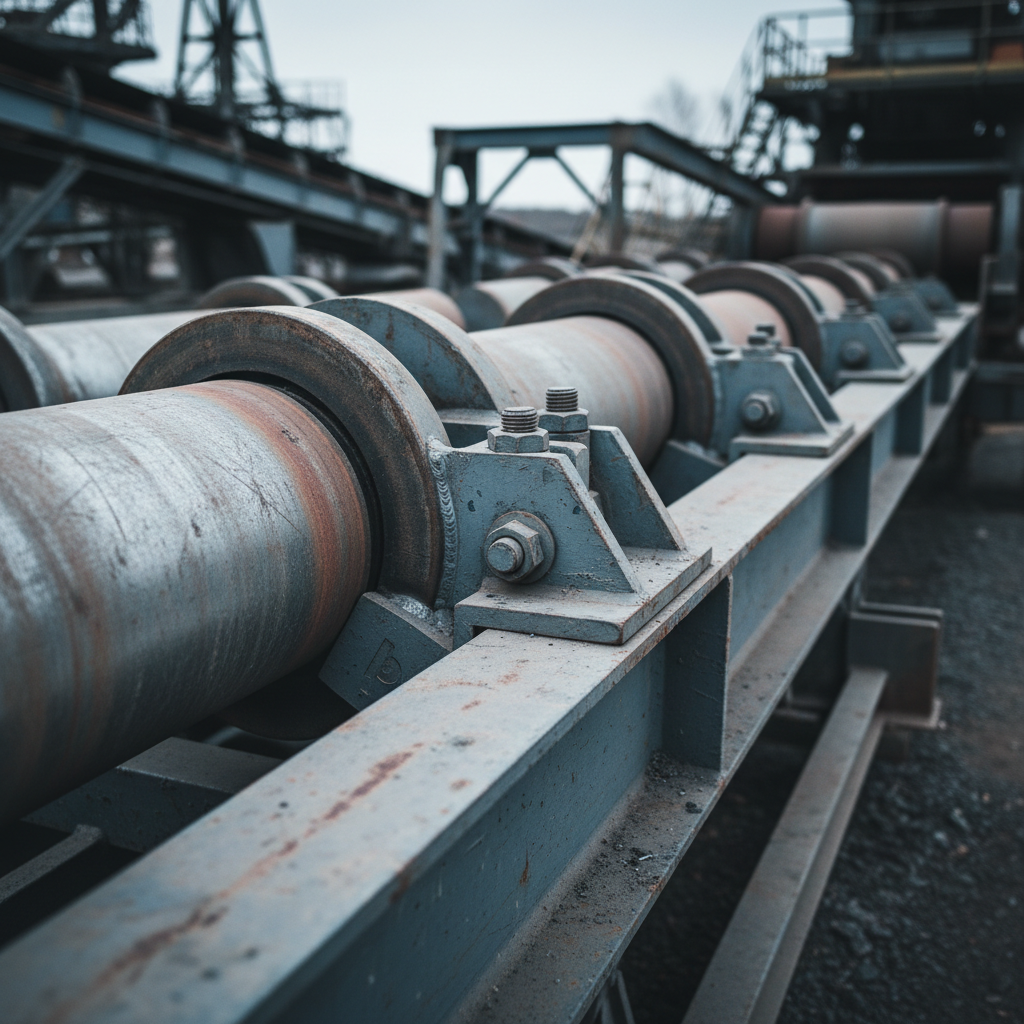
Advanced R&D initiatives are at the forefront of transforming heavy industries. By investing in cutting-edge technologies and innovative processes, companies can significantly improve operational efficiency. These improvements not only boost productivity but also contribute to sustainability efforts by reducing environmental impact.
For instance, the integration of automation and artificial intelligence (AI) in industrial processes can streamline operations and enhance precision. This leads to more consistent output quality and reduces the likelihood of human error.
Technological Innovations Driving Change
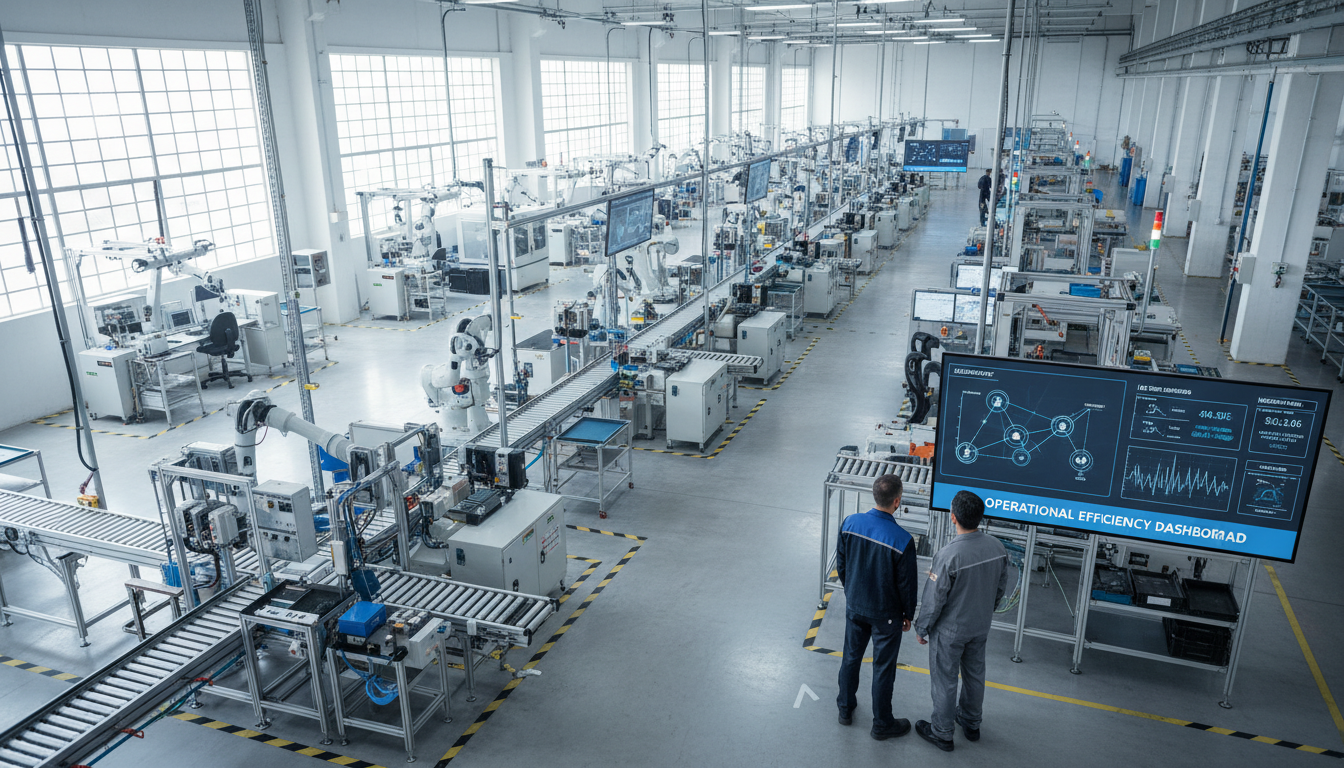
The incorporation of technologies such as the Internet of Things (IoT), AI, and machine learning is revolutionizing how industries operate. IoT devices enable real-time monitoring of equipment, allowing for predictive maintenance and reducing downtime. AI algorithms analyze vast amounts of data to optimize processes and energy usage.
Strategies for Implementing R&D
Implementing advanced R&D requires a strategic approach. Companies should focus on fostering a culture of innovation and collaboration. By encouraging cross-departmental collaboration, businesses can generate diverse ideas and solutions that address complex challenges.
Moreover, partnering with academic institutions and research organizations can provide access to cutting-edge knowledge and resources. These collaborations can accelerate the development and implementation of new technologies.
Overcoming Challenges
Despite the potential benefits, integrating advanced R&D in heavy industries presents challenges. Budget constraints, resistance to change, and the need for skilled personnel are common hurdles. Addressing these challenges requires a commitment to continuous learning and adaptation.
- Secure adequate funding for R&D projects.
- Invest in employee training and development.
- Foster an organizational culture that embraces change.

Case Studies in Efficiency Enhancement
Several companies have successfully harnessed advanced R&D to enhance efficiency. For example, a leading steel manufacturer implemented AI-driven systems to optimize its production line, resulting in a 20% increase in output and a significant reduction in energy consumption.
Another example is a mining company that utilized IoT for real-time monitoring of equipment. This approach reduced maintenance costs by 15% and improved safety for workers by predicting equipment failures before they occurred.
- Steel manufacturing optimization using AI.
- Mining industry advances with IoT monitoring.
Conclusion
The future of heavy industries lies in their ability to adapt and innovate. By embracing advanced R&D, companies can not only enhance efficiency but also secure a competitive edge in the global market. As technological innovations continue to emerge, the potential for further advancements in efficiency and sustainability grows exponentially.