
A Guide to Smart Machine Optimization for Mining Machinery
JM
Understanding Smart Machine Optimization
In the rapidly evolving mining industry, the integration of smart technologies is transforming traditional processes. Smart Machine Optimization is at the forefront of this transformation, offering significant improvements in efficiency, safety, and productivity. By leveraging advanced analytics and machine learning, mining operations can ensure their machinery performs at peak levels.
Optimization involves analyzing vast amounts of data generated by mining equipment. This data provides insights that help in making informed decisions to enhance machine performance. With smart optimization, mining companies can minimize downtime and extend the lifespan of their machinery.
The Role of Data Analytics in Optimization
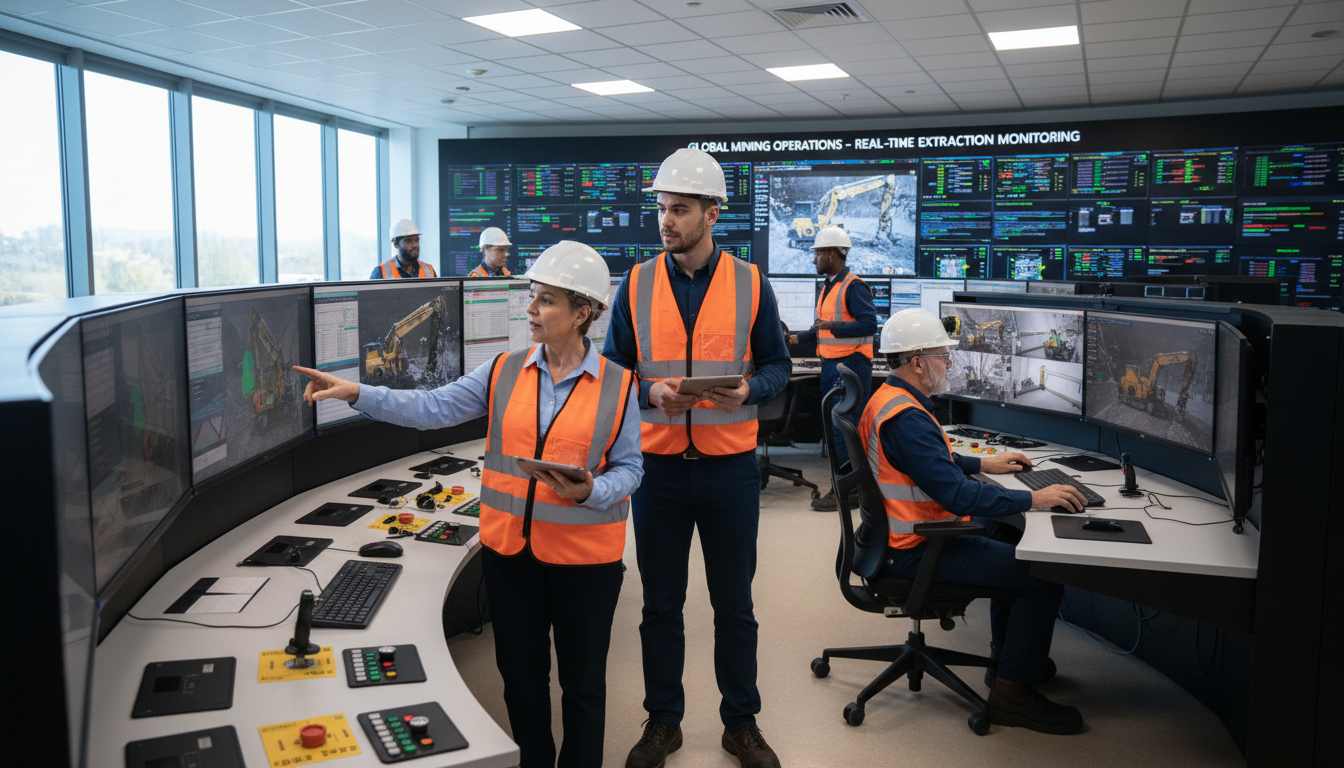
Data analytics is crucial in smart machine optimization. By collecting and analyzing data from sensors and other monitoring tools, mining companies can gain a deeper understanding of their equipment's performance. This enables predictive maintenance, which anticipates potential failures before they occur, reducing costly downtime.
Implementing a data-driven approach allows for real-time monitoring and adjustments. This leads to more efficient operations and helps in identifying bottlenecks that might not be evident through traditional methods.

Machine Learning Applications
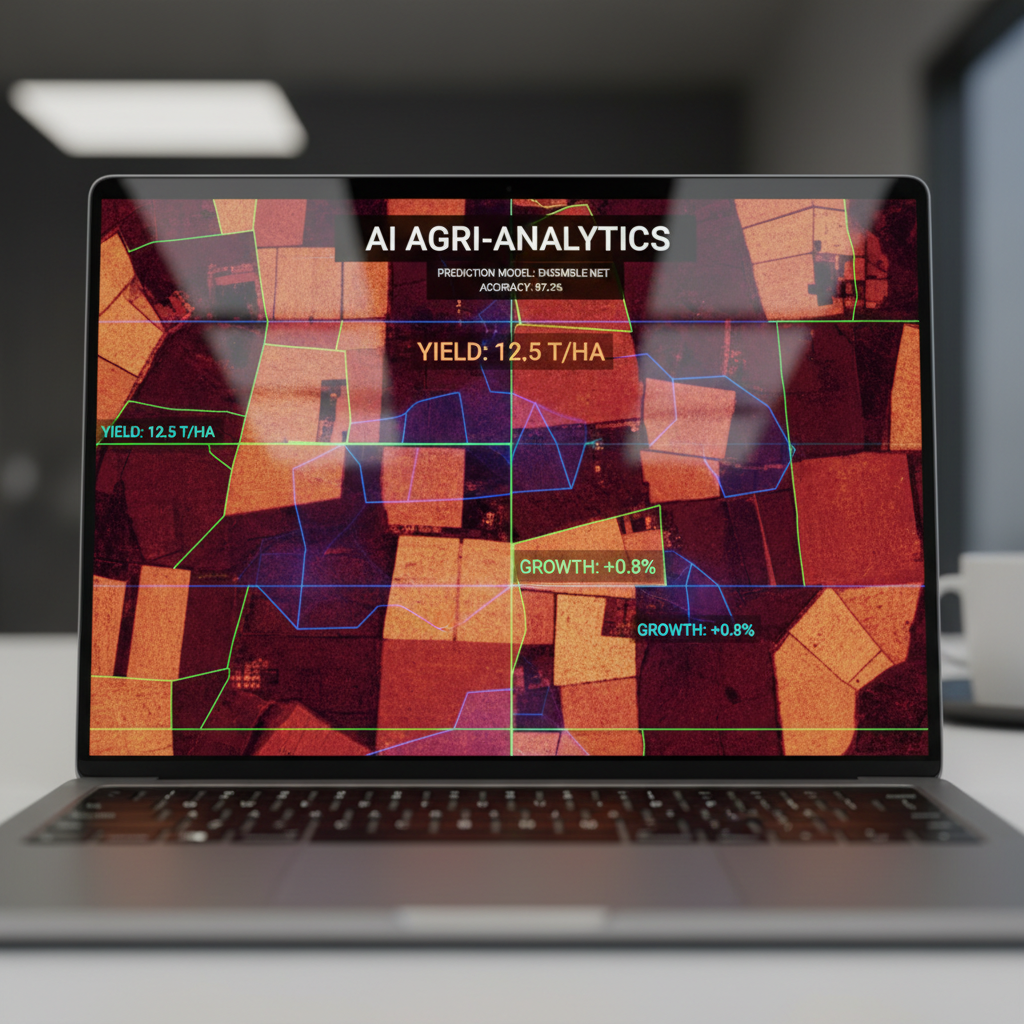
Machine learning algorithms play a pivotal role in optimizing mining machinery. These algorithms can process large datasets to identify patterns and predict future outcomes. This predictive capability ensures that machinery operates under optimal conditions, reducing wear and tear and improving overall efficiency.
Moreover, machine learning can automate decision-making processes, allowing for quicker responses to changes in operational conditions. This automation frees up human resources to focus on strategic tasks rather than routine maintenance.
Improving Safety and Sustainability
Smart Machine Optimization not only enhances efficiency but also significantly improves safety in mining operations. By continuously monitoring machinery and environmental conditions, potential hazards can be identified and mitigated early.
Furthermore, optimizing machinery contributes to sustainability efforts. Efficient machines consume less energy and resources, reducing the environmental footprint of mining activities. This aligns with global efforts to promote sustainable and responsible mining practices.
Steps to Implement Smart Optimization
To successfully implement smart optimization, mining companies should follow these steps:
- Conduct a thorough assessment of current machinery and operations.
- Integrate sensors and monitoring devices on key equipment.
- Utilize software platforms to collect and analyze data.
- Apply machine learning algorithms to enhance predictive capabilities.
- Continuously review and adjust strategies based on data insights.
Embracing Future Innovations
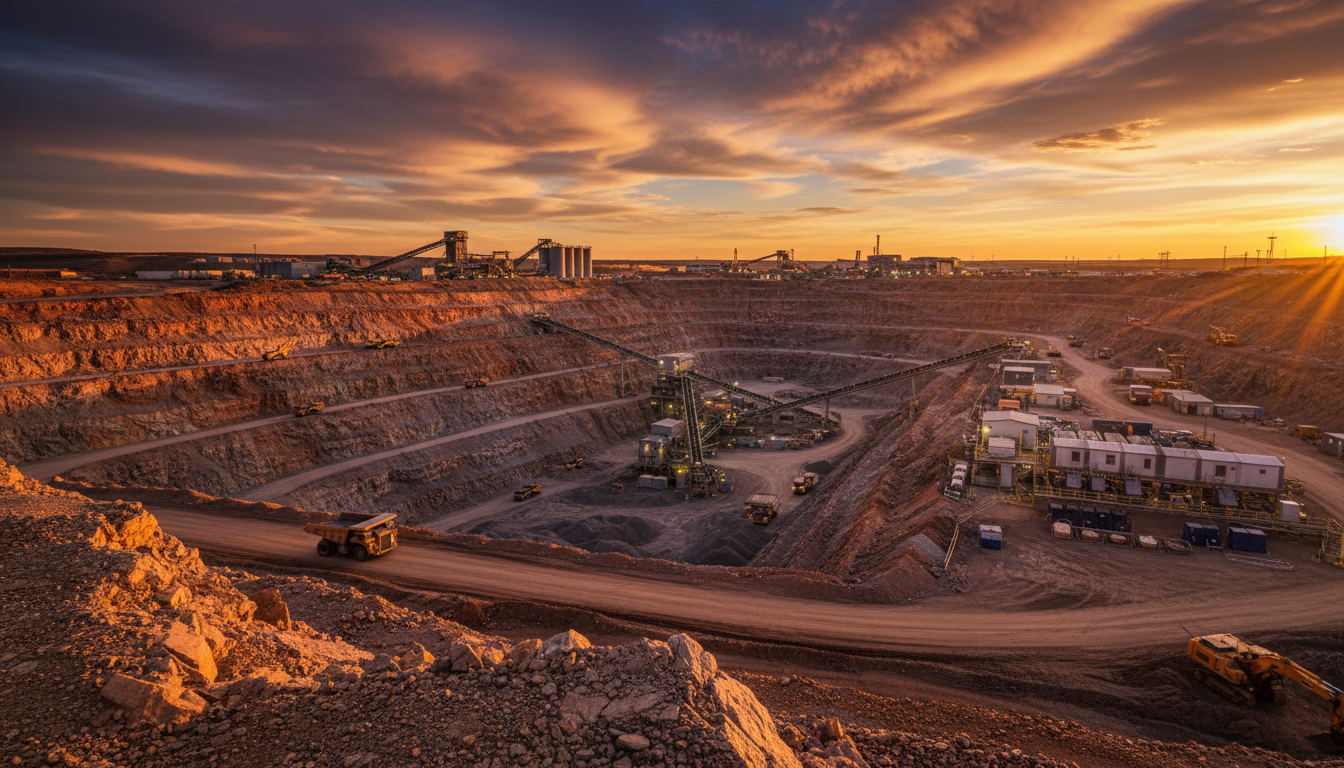
The future of mining lies in embracing technological advancements. As smart machine optimization continues to evolve, mining companies that adapt will maintain a competitive edge. Investing in these technologies not only ensures operational efficiency but also positions companies as leaders in innovation.
In conclusion, Smart Machine Optimization is a vital component of modern mining operations. By leveraging data analytics and machine learning, the mining industry can achieve unprecedented levels of efficiency, safety, and sustainability.